

.png?revision=1764341863)


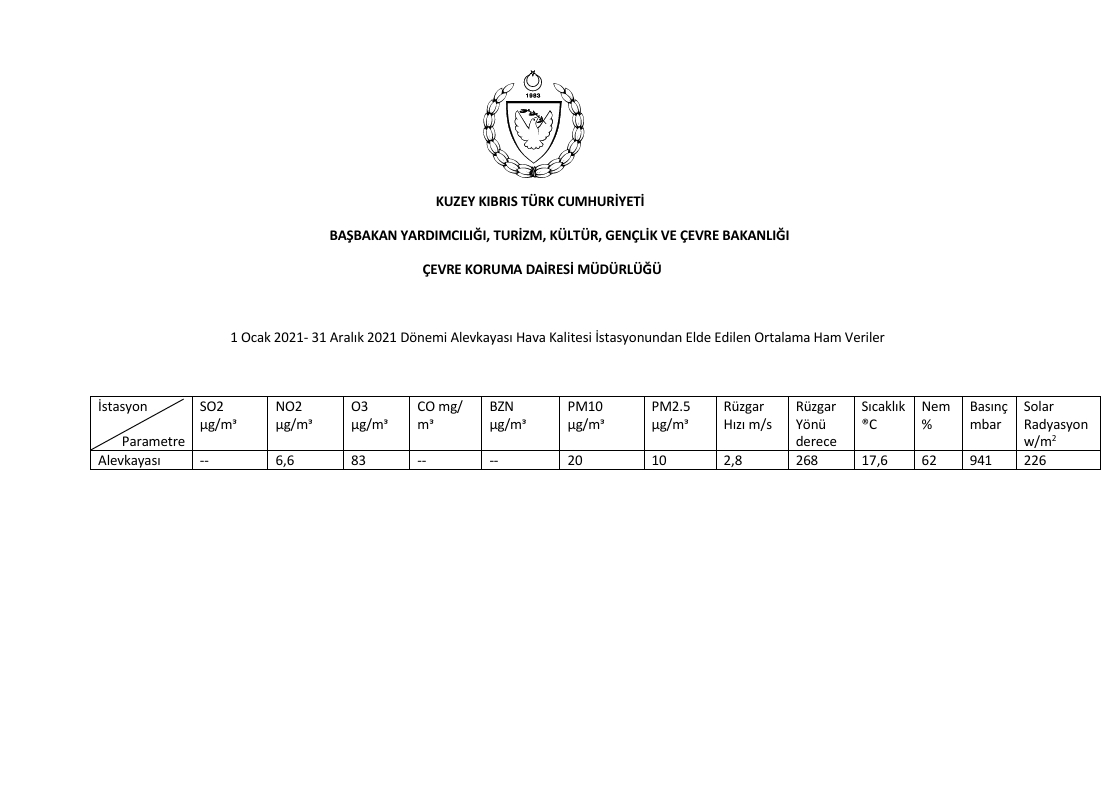
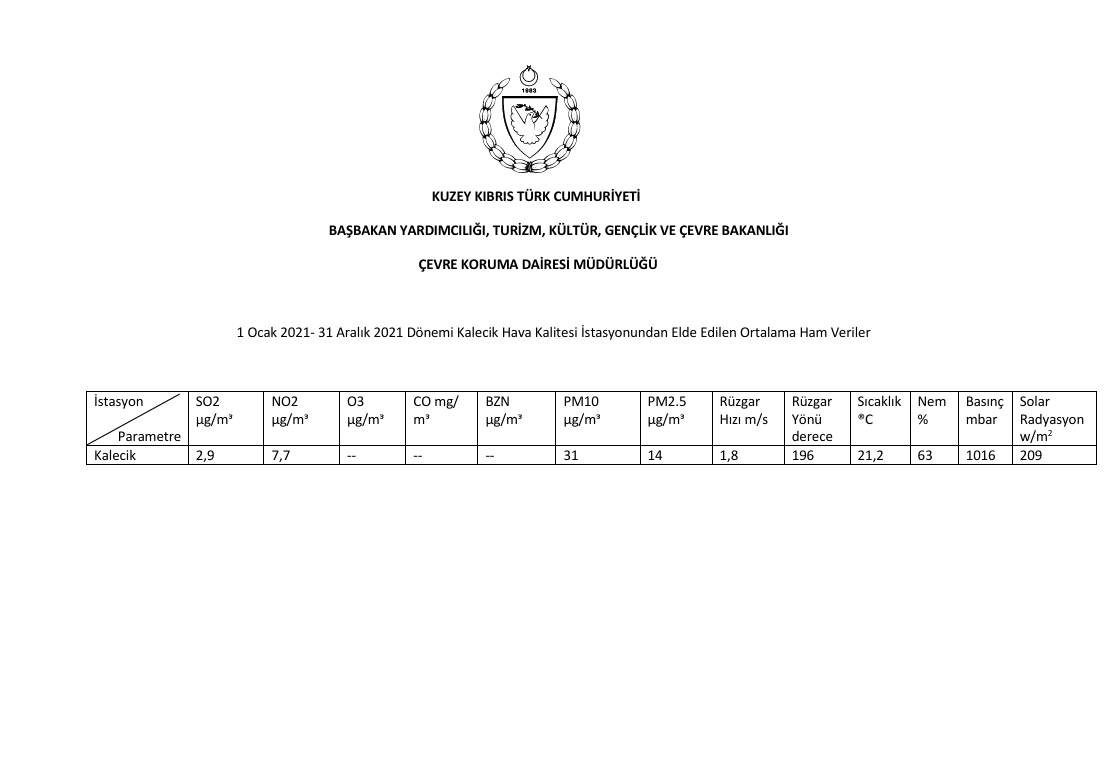
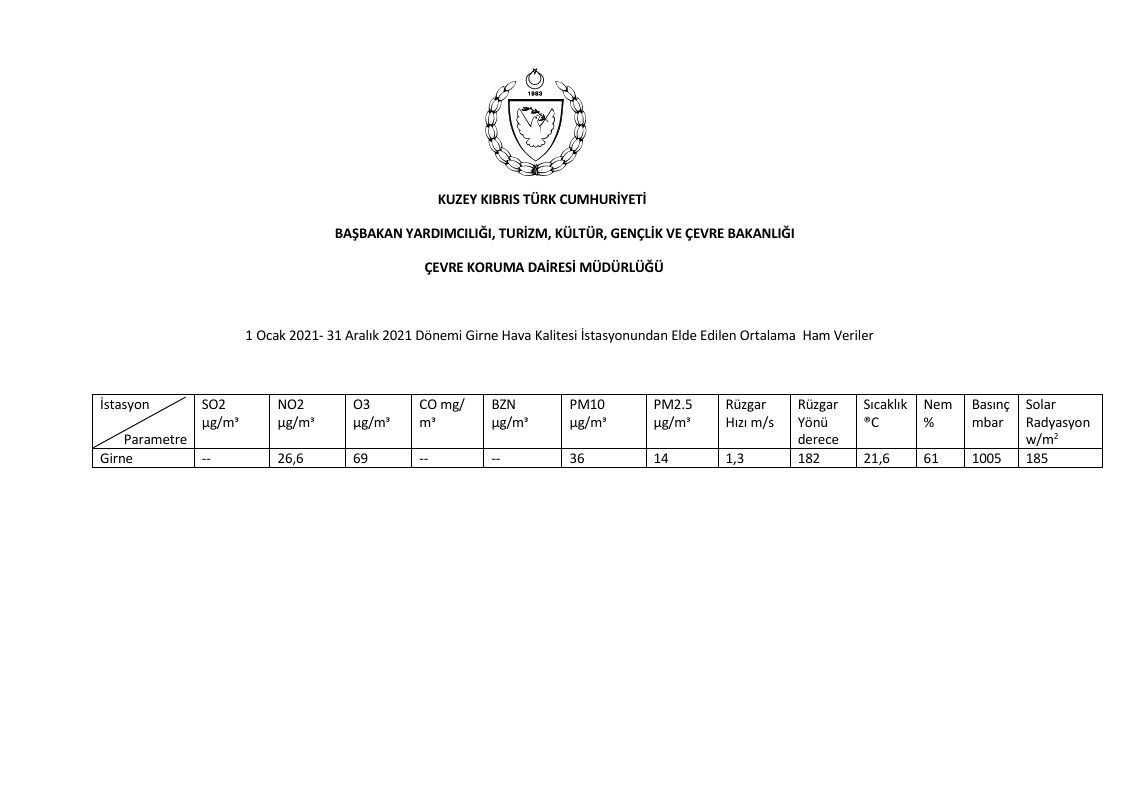
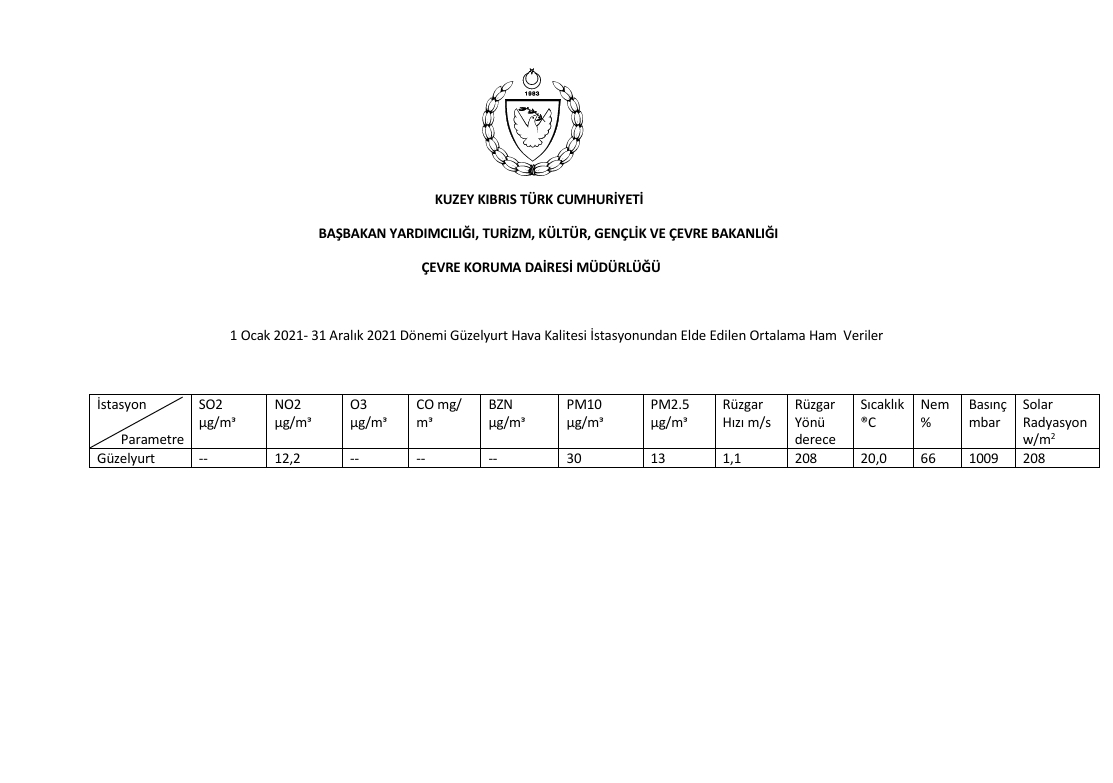
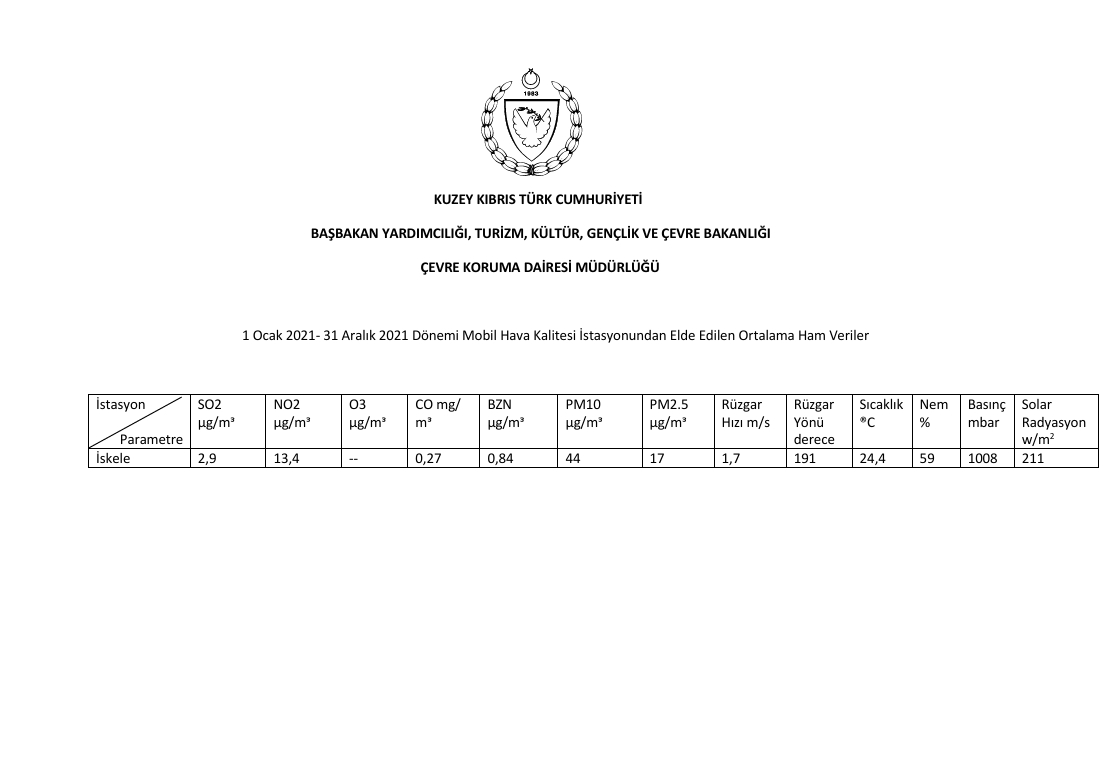
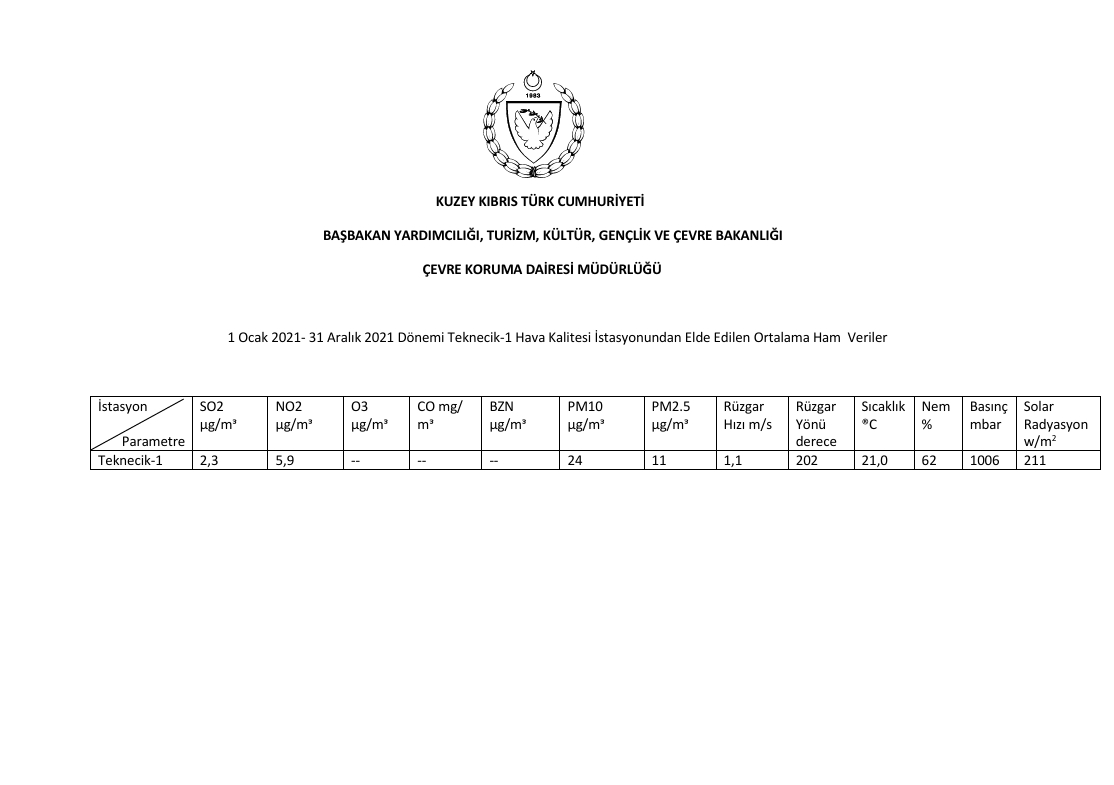
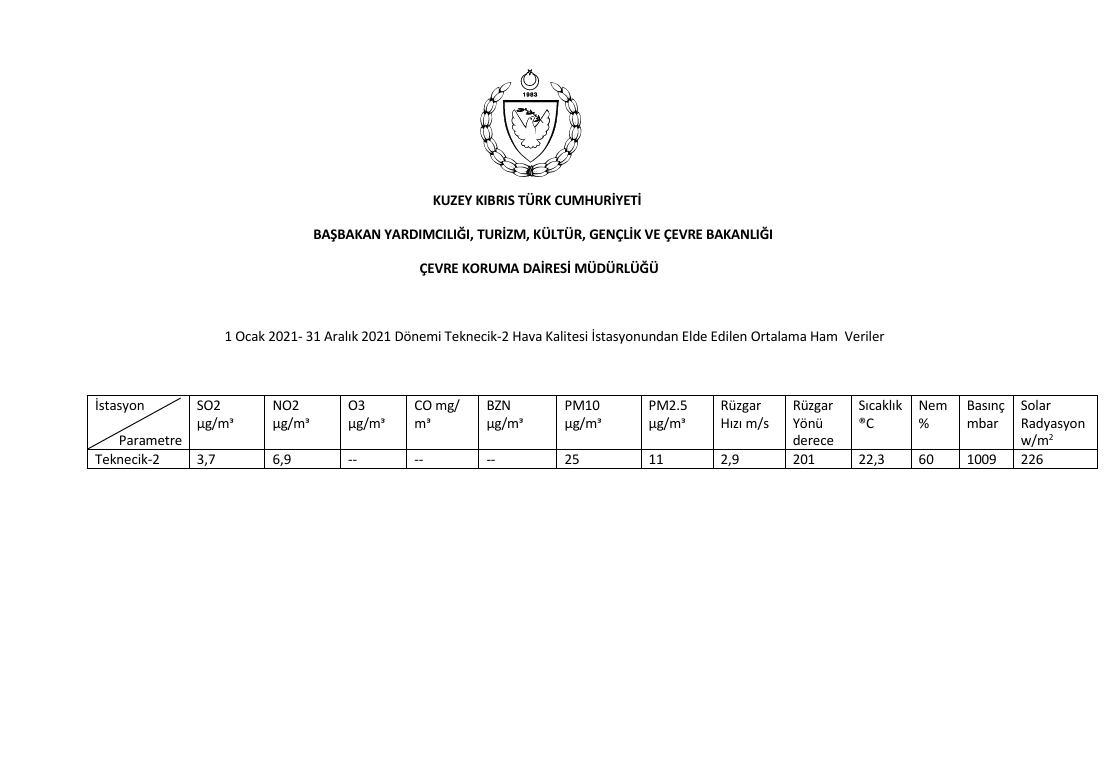
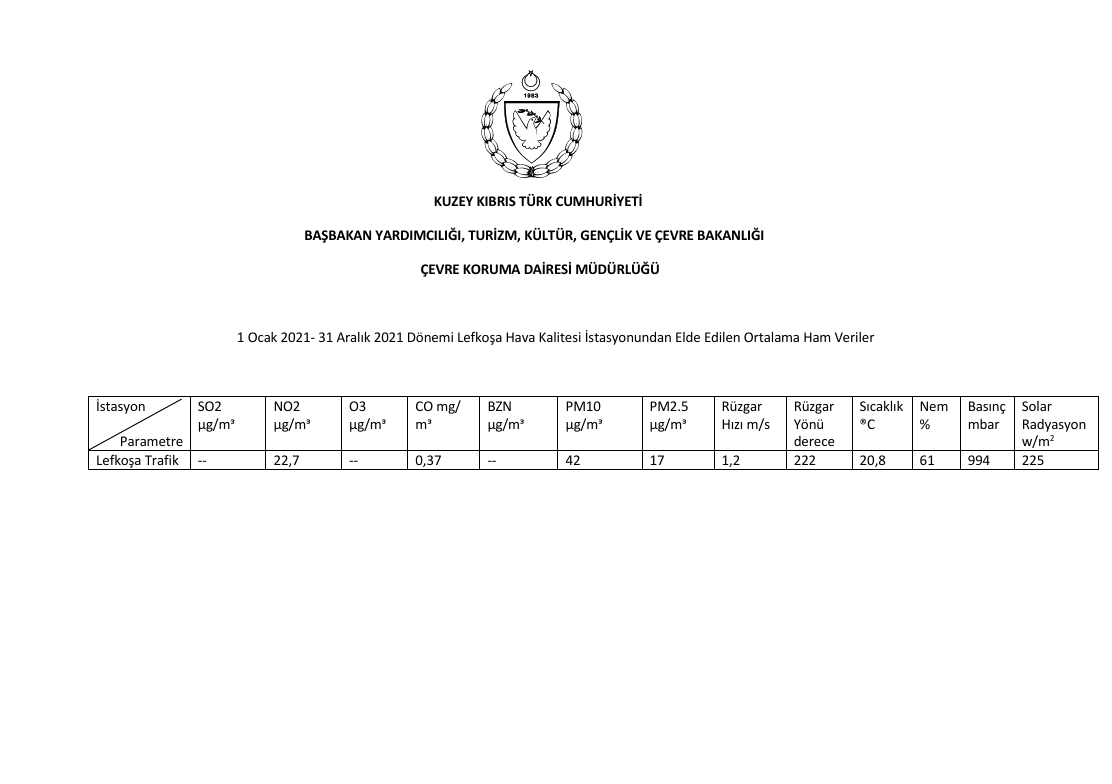
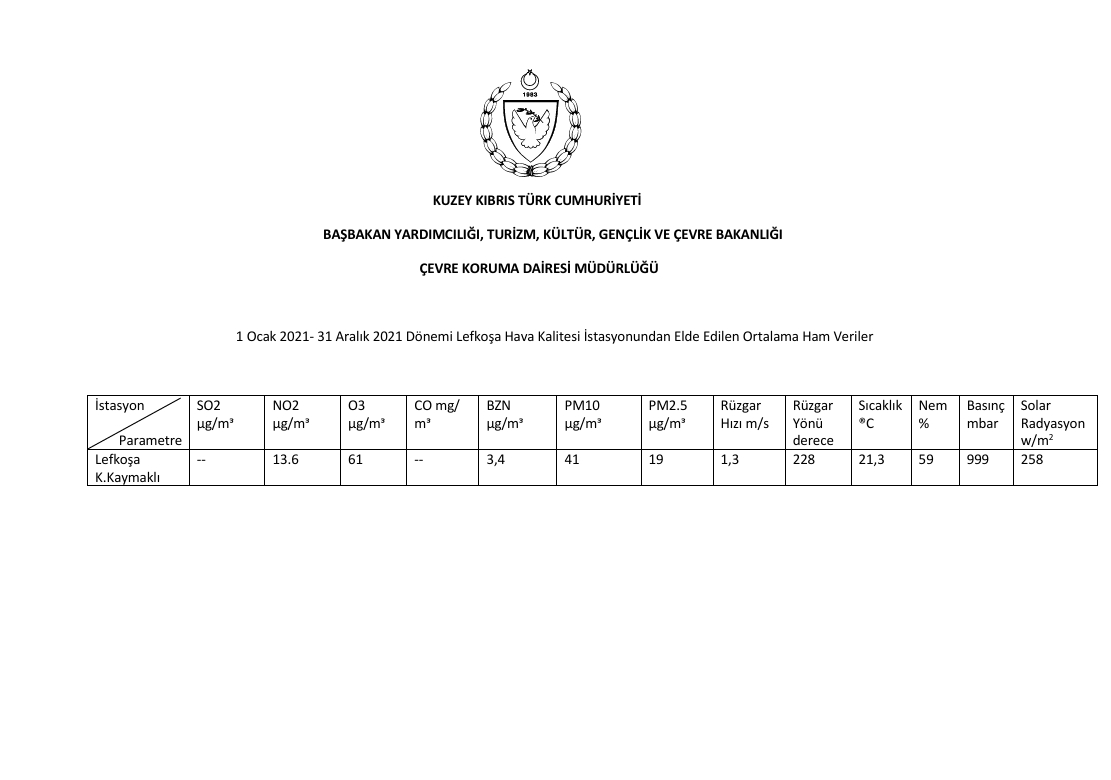
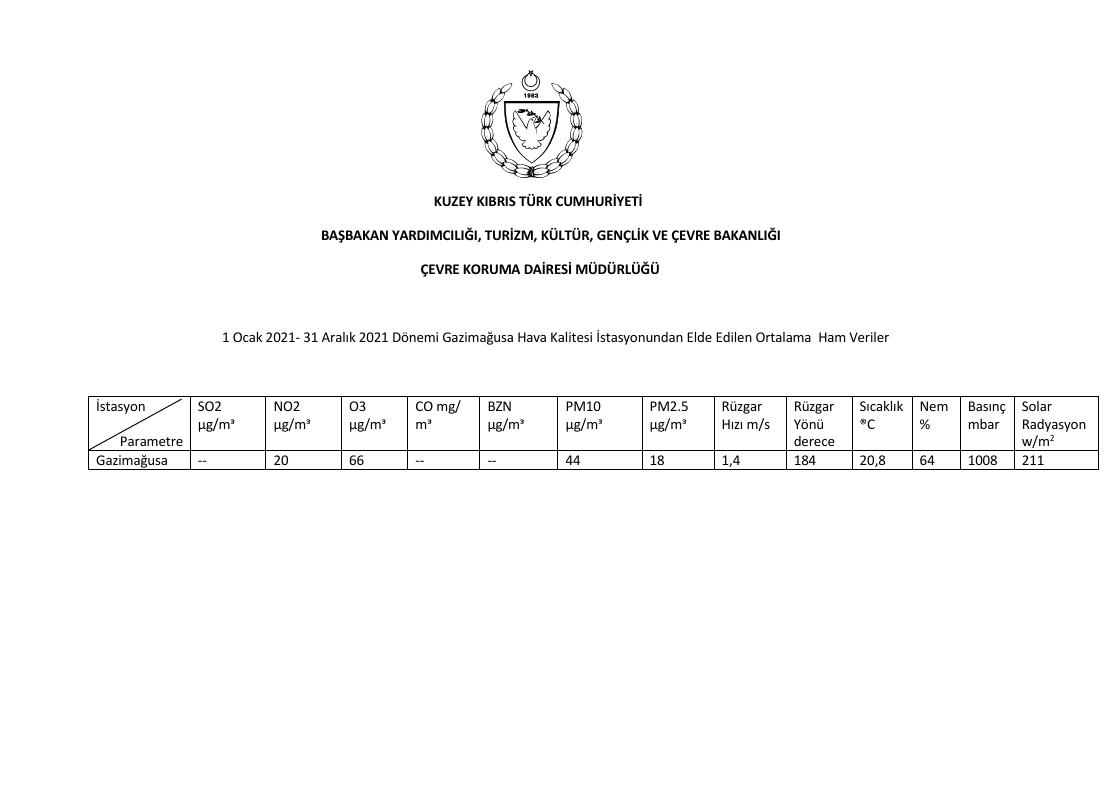
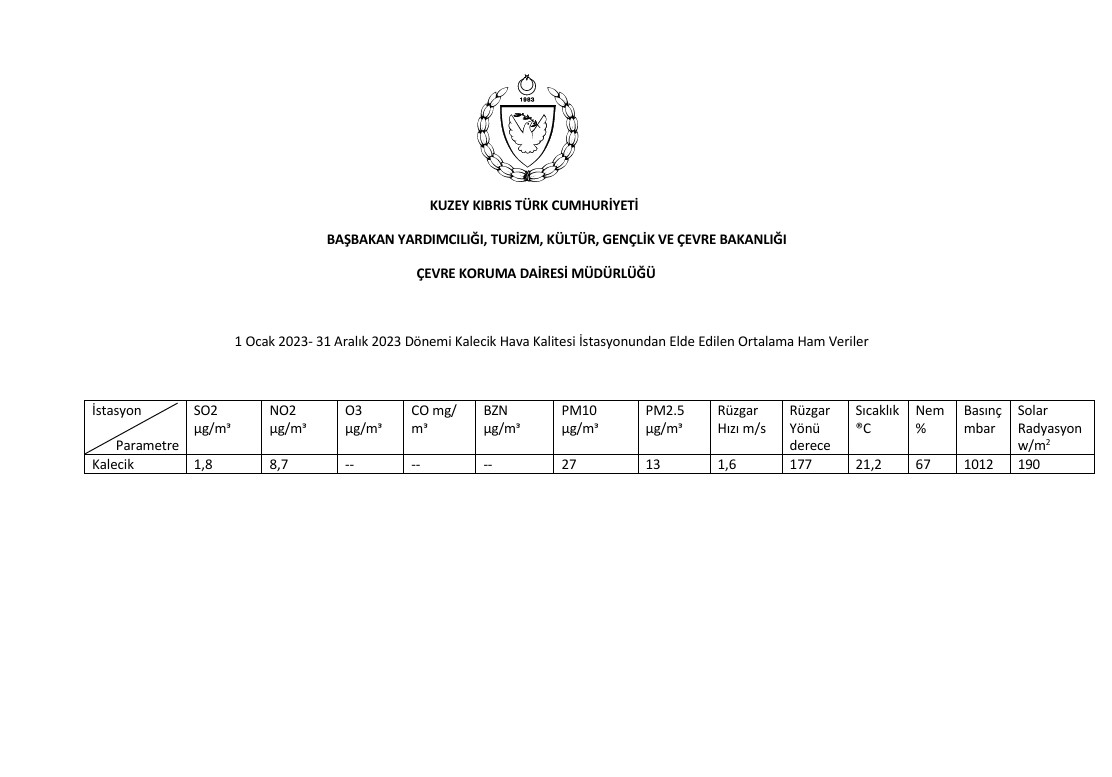
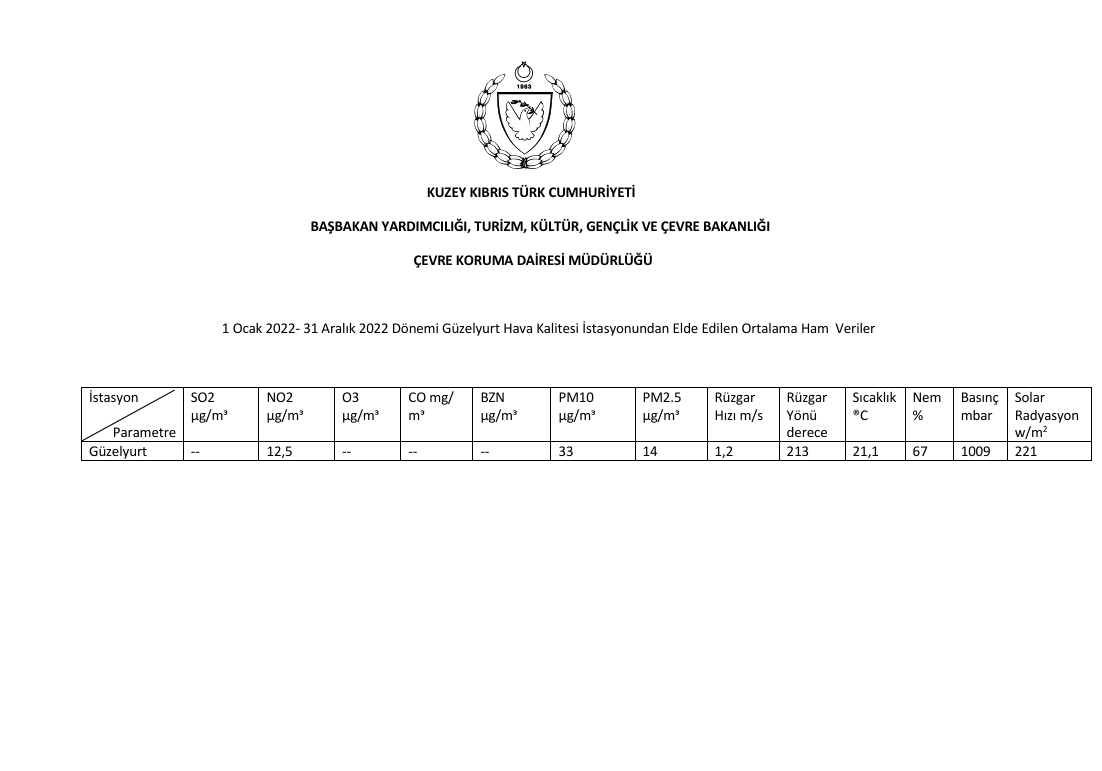
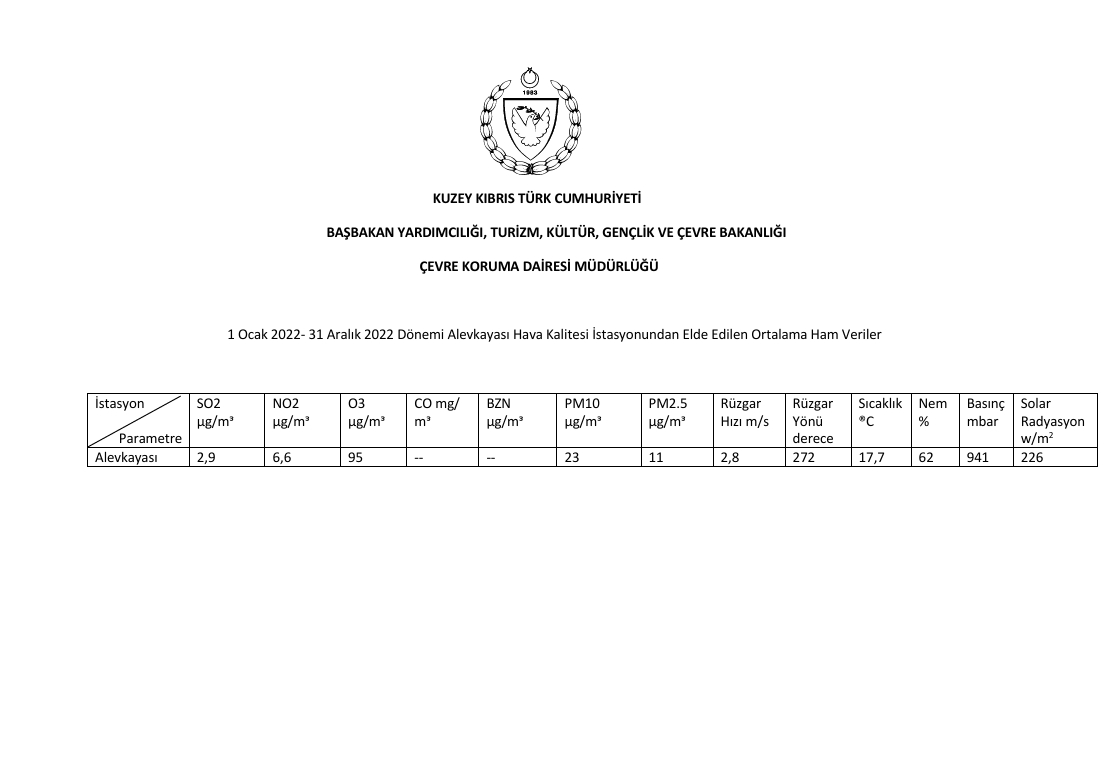
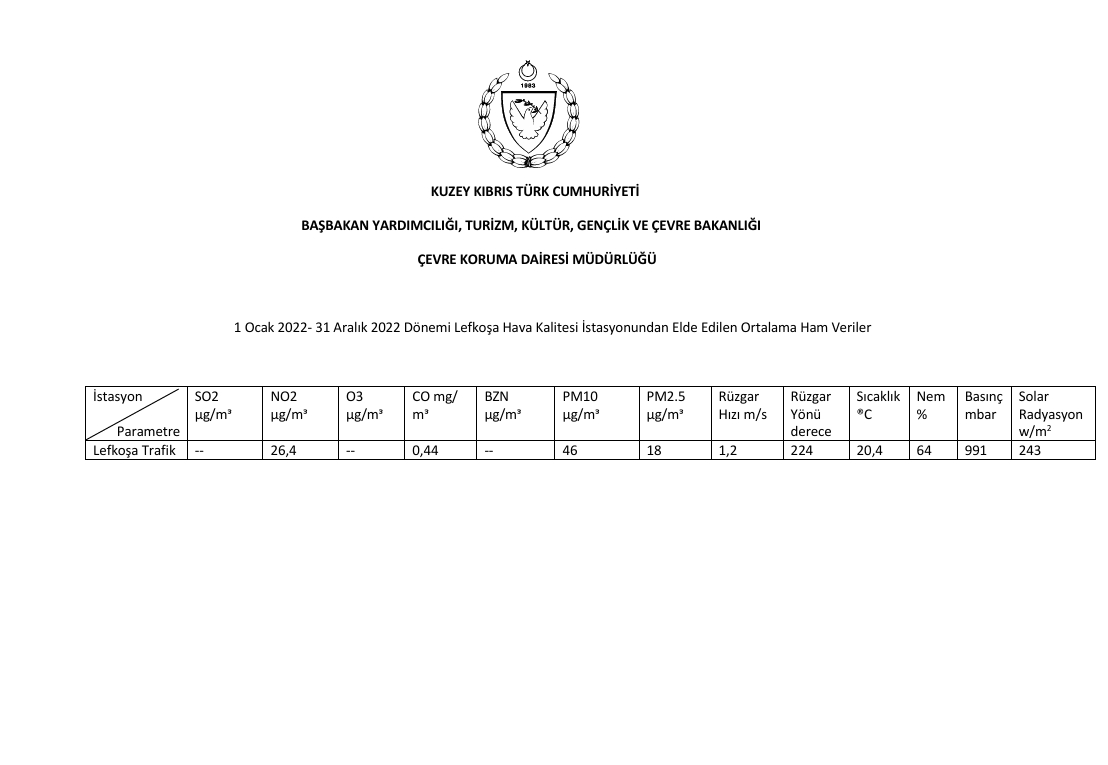
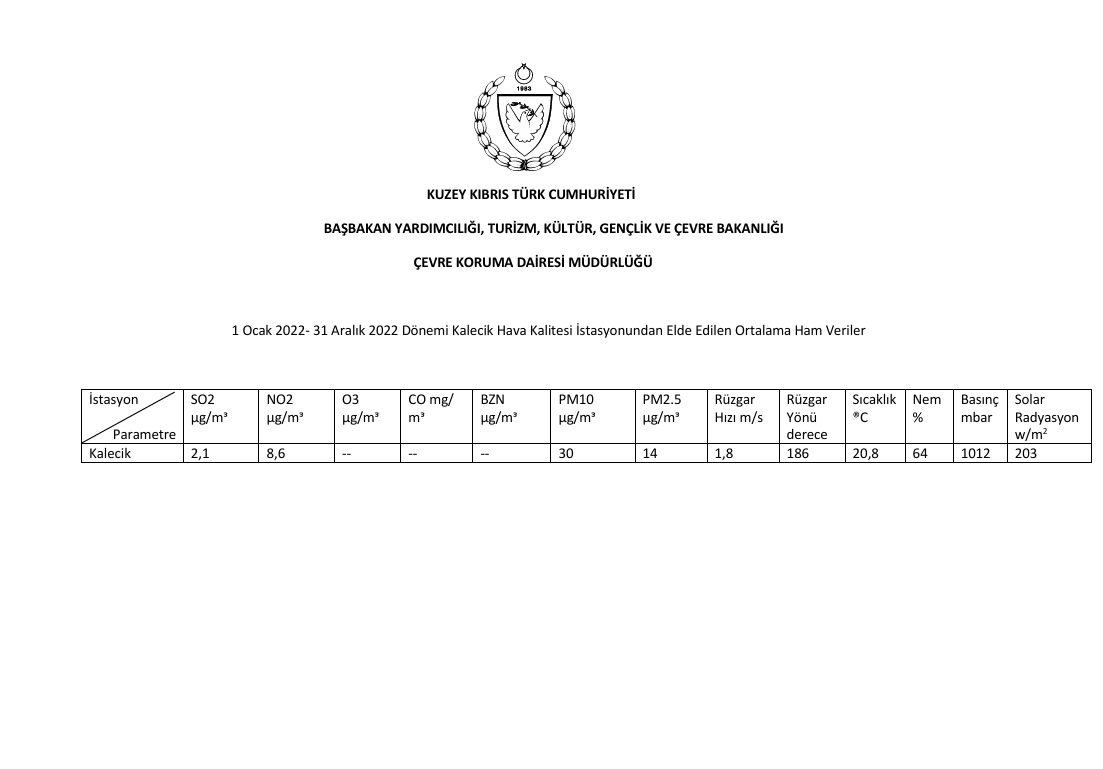
We compared air quality in Cyprus with World Health Organization standards.
Air Quality and Particulate Matter (PM) Levels: What Do They Mean?
We are sharing how we interpret the PM10 and PM2.5 values we measured in our air purifier tests according to World Health Organization (WHO), European Union (EU) and Turkish standards. Here are the details!
What is PM (Particulate Matter)?
PM refers to microscopic solid or liquid particles suspended in the air. These pollutants, called "particulate matter," are classified according to their size and can have serious effects on health.
PM Types and Sizes
- PM10 :
- These are particles smaller than 10 microns in diameter (e.g., dust, pollen, construction waste).
- It can accumulate in the upper respiratory tract, triggering asthma and allergies.
- PM2.5 :
- These are particles smaller than 2.5 microns in diameter (exhaust fumes, industrial emissions, forest fires).
- It reaches the lungs and bloodstream, increasing the risk of heart disease, cancer , and premature death.
(1 micron = 0.001 mm)
PM Resources
- Natural sources : Volcanic ash, sandstorms, forest fires.
- Human-related :
- Vehicle exhausts,
- Factory emissions,
- Construction and road dust,
- Burning coal and wood.
Why is PM Dangerous?
- PM10 : Itchy eyes, nasal congestion, COPD exacerbation.
- PM2.5 :
- It enters the bloodstream and damages organs.
- It inhibits lung development in children.
- It increases the risk of premature birth in pregnant women.
WHO Warning : There is no safe level of PM2.5; all levels carry risks (Source ).
How is PM measured?
Air quality is measured in µg/m³ (micrograms per cubic meter) using monitoring stations or portable sensors. For example:
- PM2.5 = 25 µg/m³ : 5 times the risk according to the WHO, borderline according to the EU.
Why are there different standards?
Air quality limits vary according to the priorities targeted by organizations:
- WHO : Sets the strictest standards, focusing solely on health .
- EU and EPA : They balance both health protection and policy feasibility .
- Turkey : Complies with EU standards, but there are no official limits for PM2.5 yet.
Comparison of PM10 and PM2.5 Standards
Below you can see the average annual limits from the WHO, the EU, and Turkey:
| Establishment | PM10 (µg/m³) | PM2.5 (µg/m³) | Explanation |
|---|---|---|---|
| WHO | 15 | 5 | The strictest standard (ideal health). |
| EU | 40 | 20 | Long-term policy objective. |
| Türkiye | 40 | Uncertain | Compliant with EU standards for PM10. |
Why do we base our standards on WHO standards?
We use WHO's annual limits as a reference when evaluating your test results because:
- Scientific evidence shows that PM2.5 levels even above 5 µg/m³ increase the risk of chronic diseases ( WHO, 2021 ).
- While EU and EPA limits are determined by economic and political considerations , the WHO prioritizes only human health .
- For example, the WHO's annual limit for PM2.5 is 5 µg/m³ , while the EU's limit is 20 µg/m³ . This means it is four times stricter than the WHO's.
How to Interpret Your Measurement Results?
The table below shows the risk levels for the PM values you measured, according to the WHO and the EU :
| Value | According to the WHO | According to the EU | Suggestion |
|---|---|---|---|
| PM10 >15 | ⚠️ Risky | ✅ Safe | Vulnerable groups should take note. |
| PM2.5 >5 | ⚠️ Risky | ✅ Safe | Use an air purifier indoors. |
Example Scenario: If PM2.5 = 10 µg/m³…
- WHO : “This value is twice the annual limit. Long-term exposure increases the risk of heart disease.”
- EU : "Safe according to EU standards, but insufficient for ideal health conditions ."
Why are European Union standards more flexible?
The EU's PM2.5 limit (20 µg/m³) has been set in a phased manner to align with member states' industrial, transport, and energy policies . For example:
- Directive 2008/50/EC sets a PM2.5 target of 25 µg/m³ by 2020, and 20 µg/m³ thereafter ( EUR-Lex ).
- This is much higher than the 5 µg/m³ recommended by the WHO, but it has been preferred due to political and economic feasibility .
Conclusion: Why is Air Quality Assessment Important?
- WHO standards indicate the "highest safety level".
- EU/EPA standards represent an “acceptable practical level”.
- We base our analyses on WHO guidelines because our goal is to provide you with the healthiest conditions possible .
What can be done to improve air quality?
- If PM10 >15 or PM2.5 >5 µg/m³:
- Use an air purifier.
- Keep the windows closed during peak traffic hours.
- Vulnerable groups (asthma, COPD) should wear N95 masks.
Source
We strive to remain transparent and unbiased in sharing this information. Stay healthy.
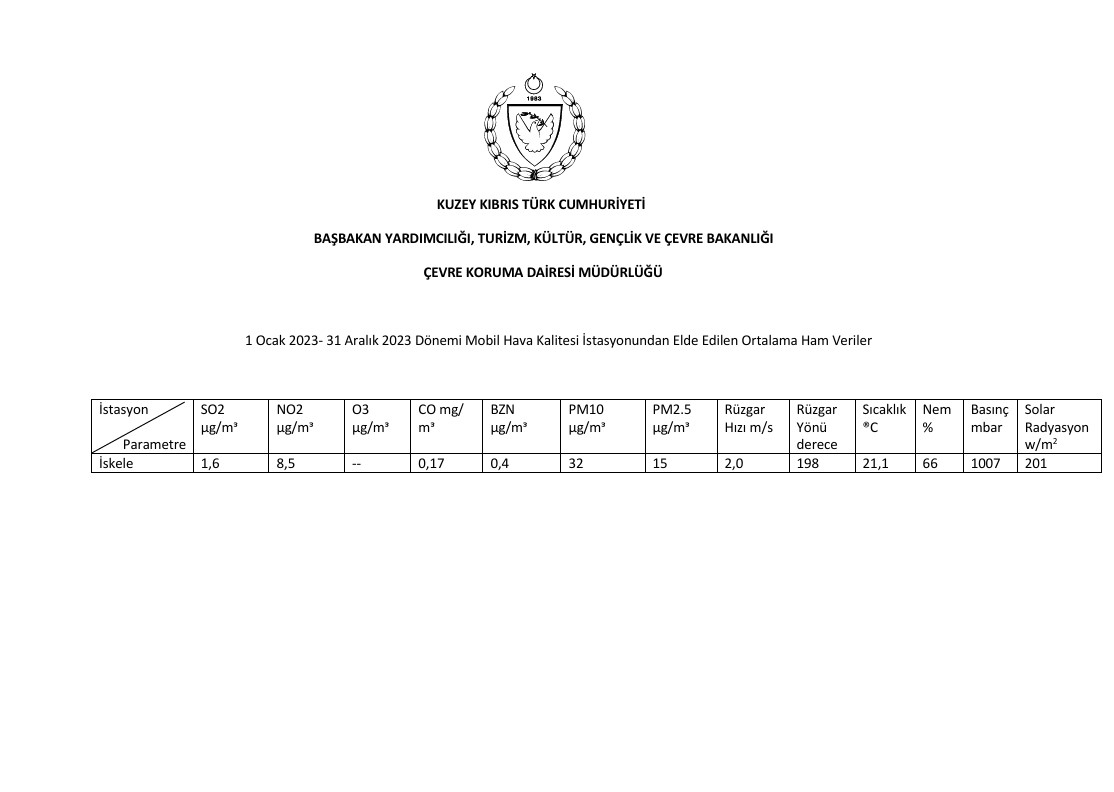
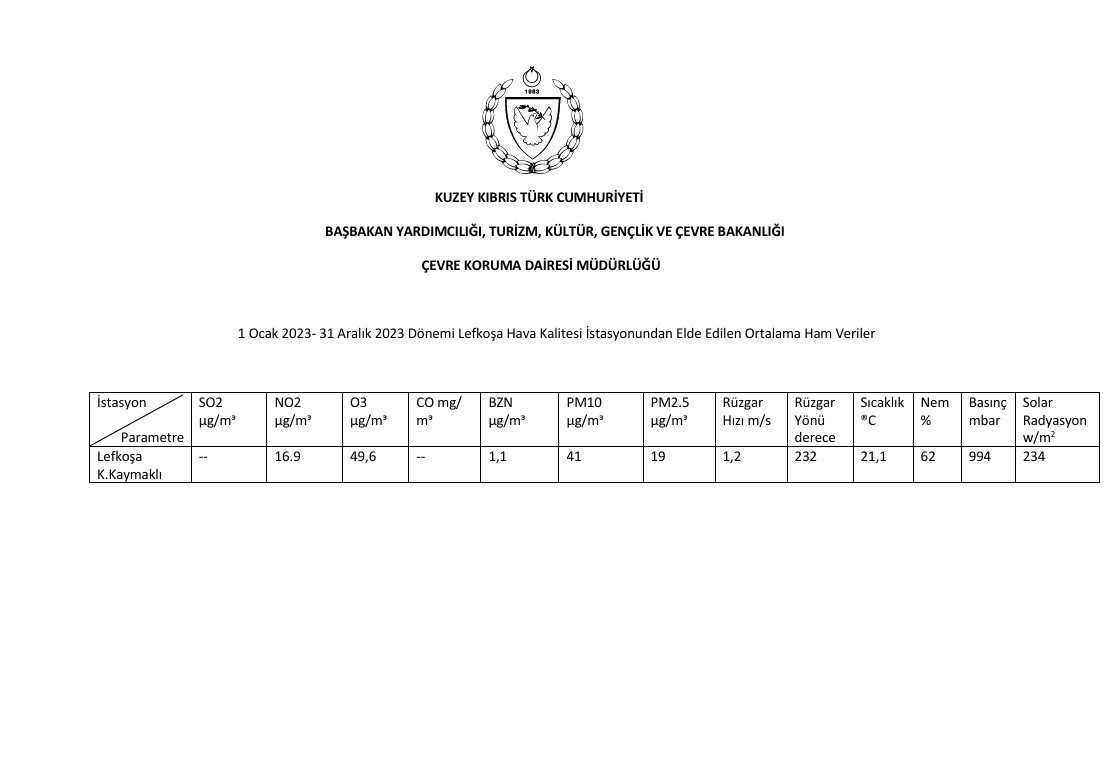
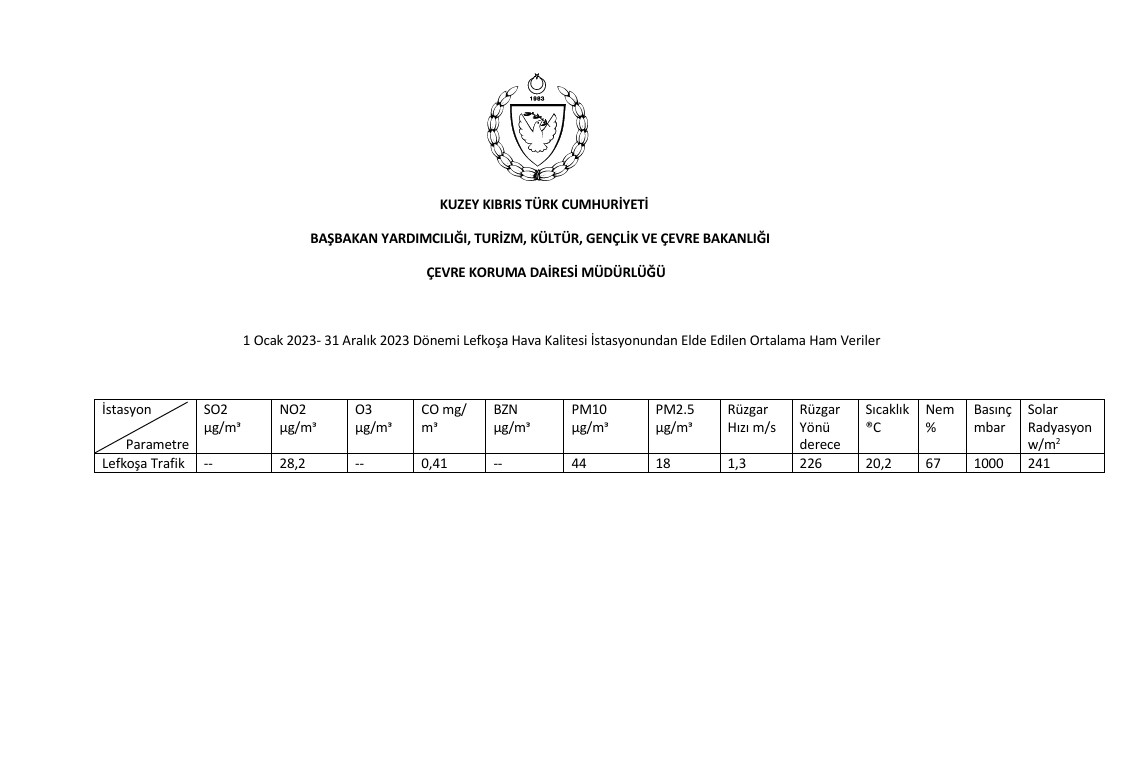
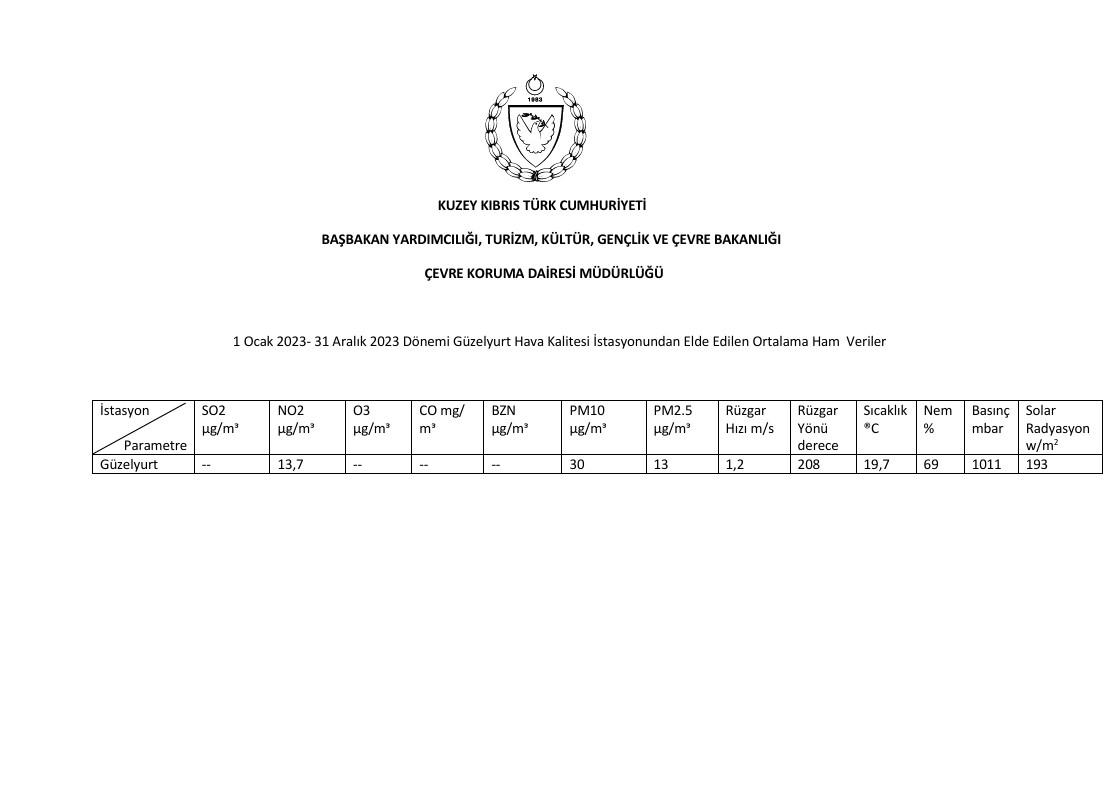
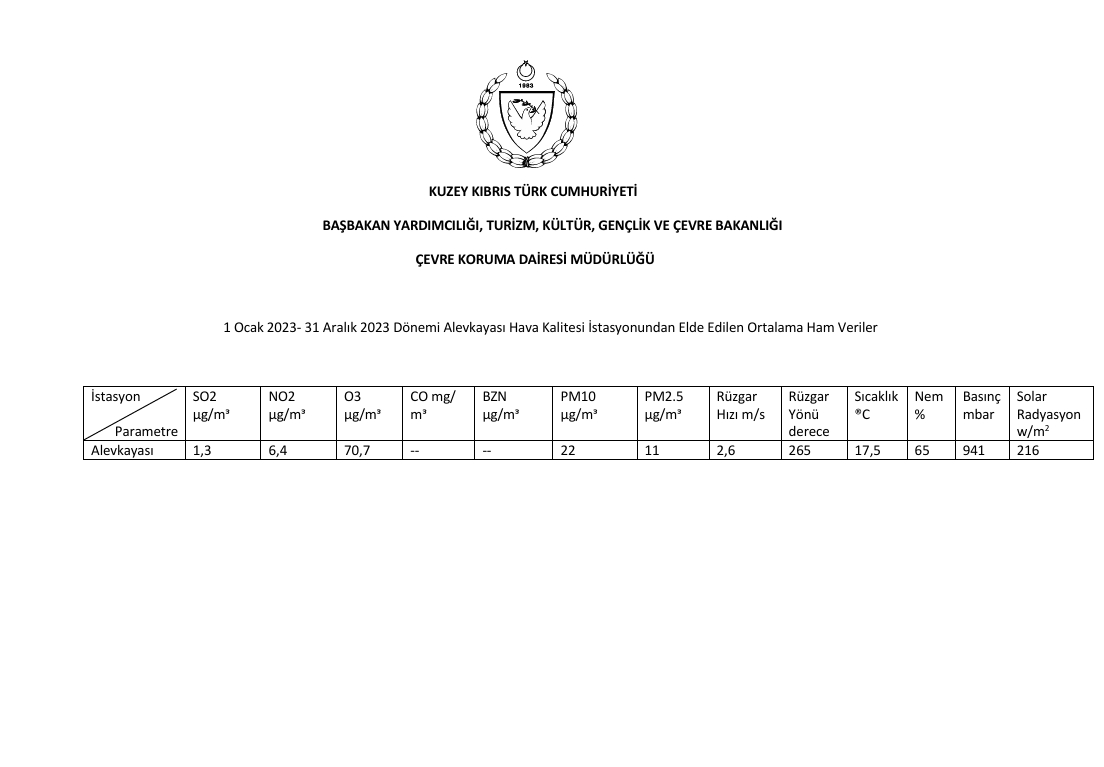
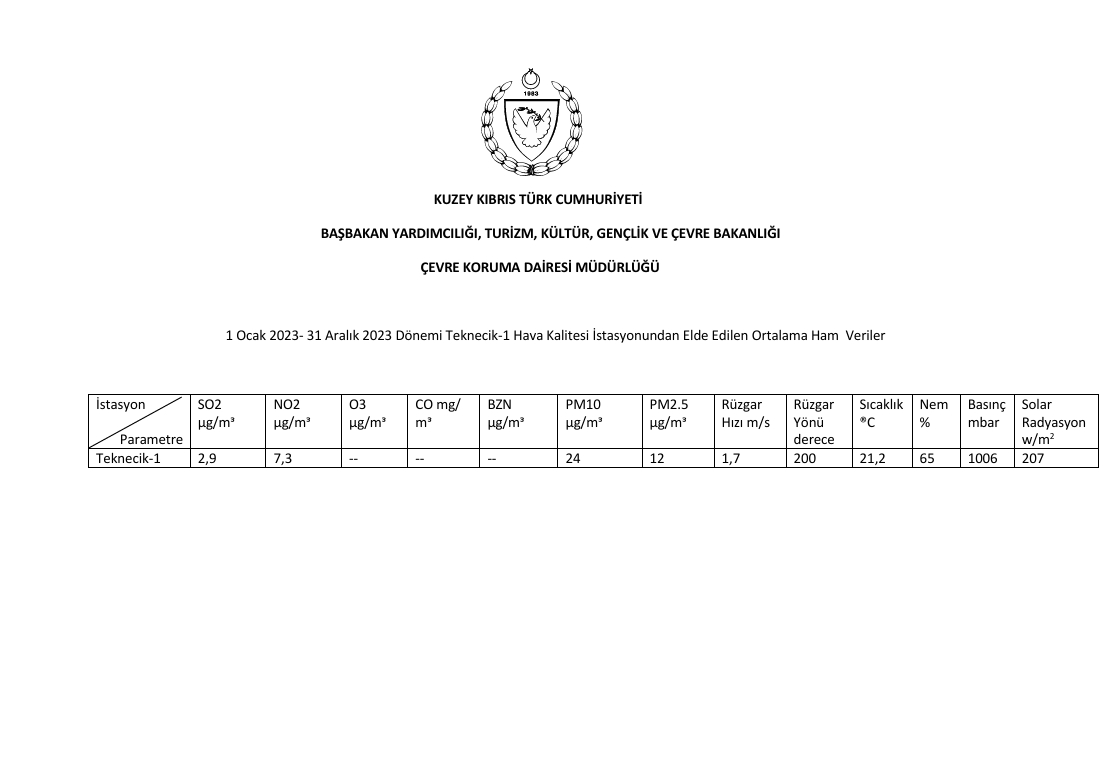
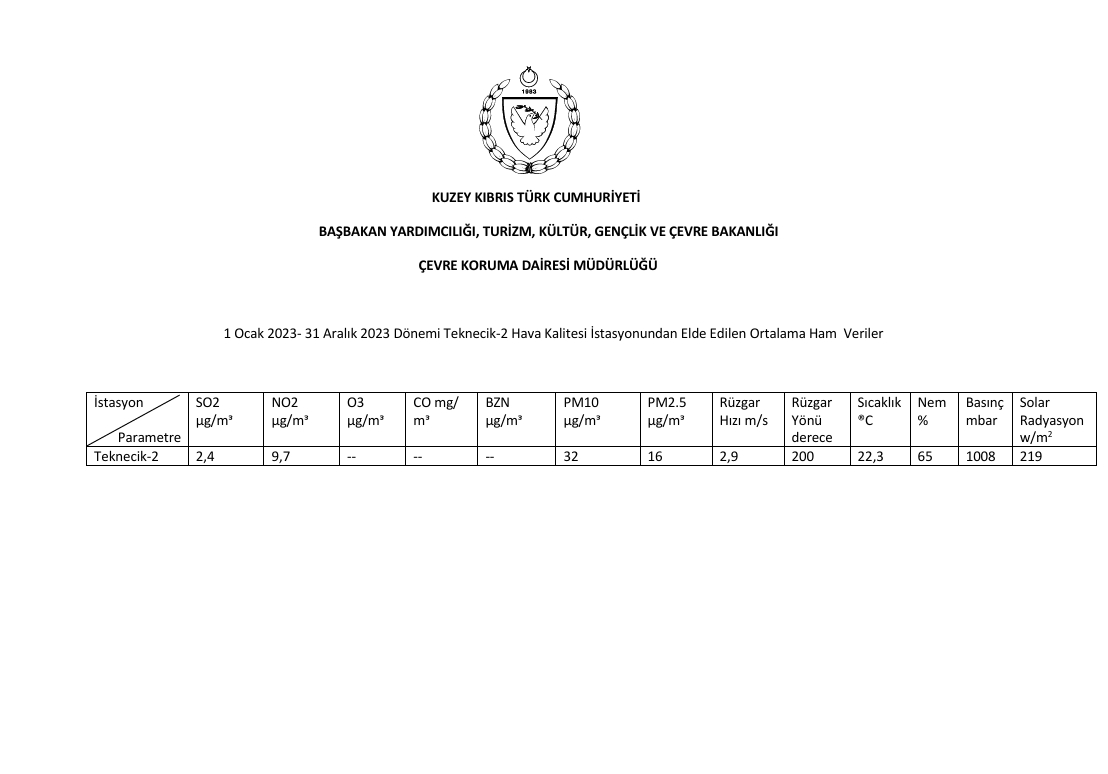
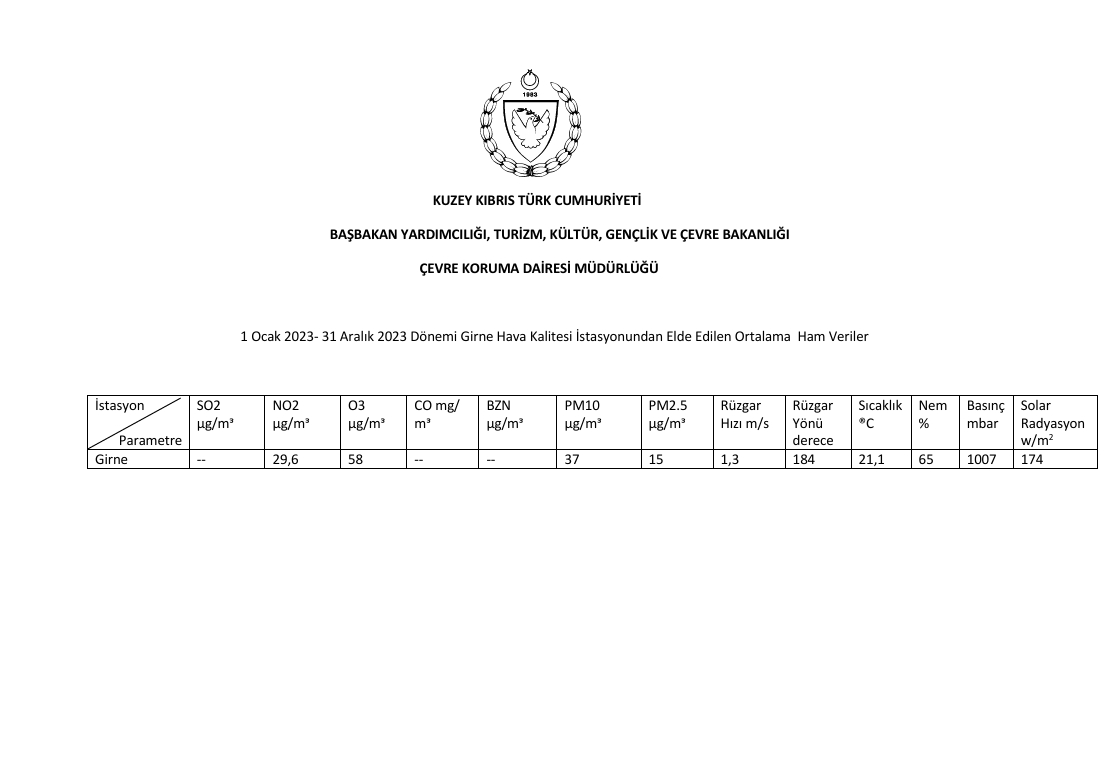
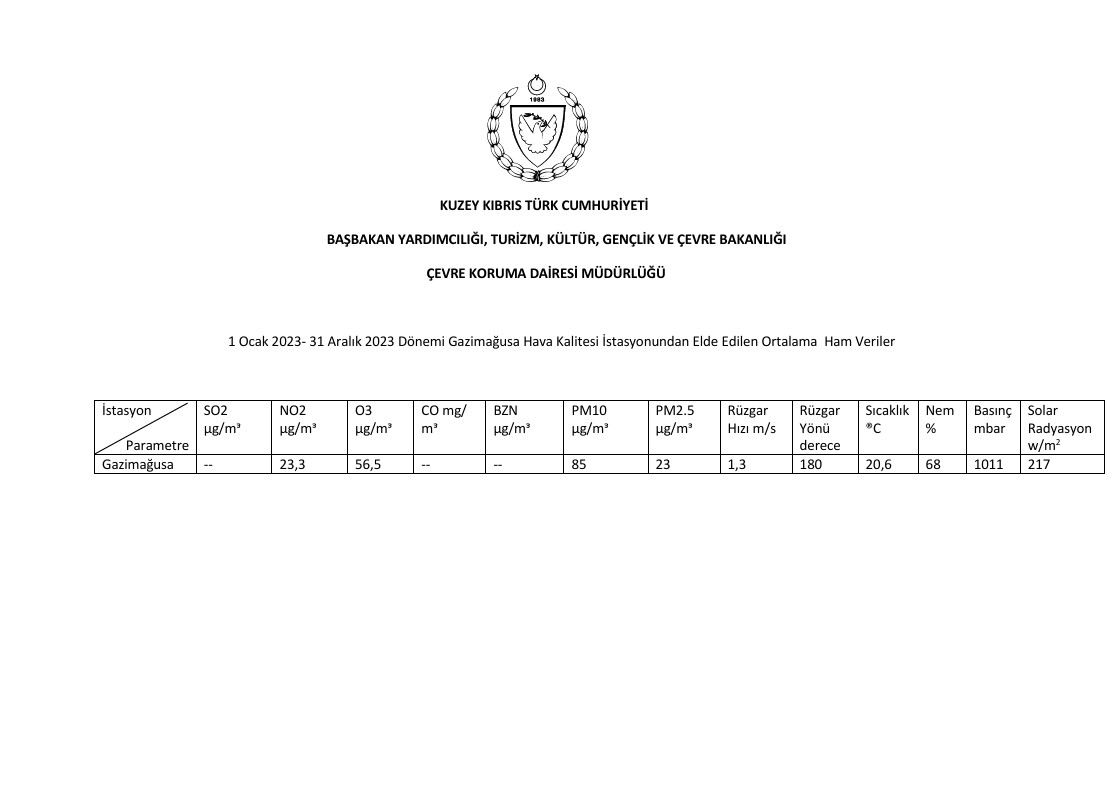
Turkish Republic of Northern Cyprus 2023 Data
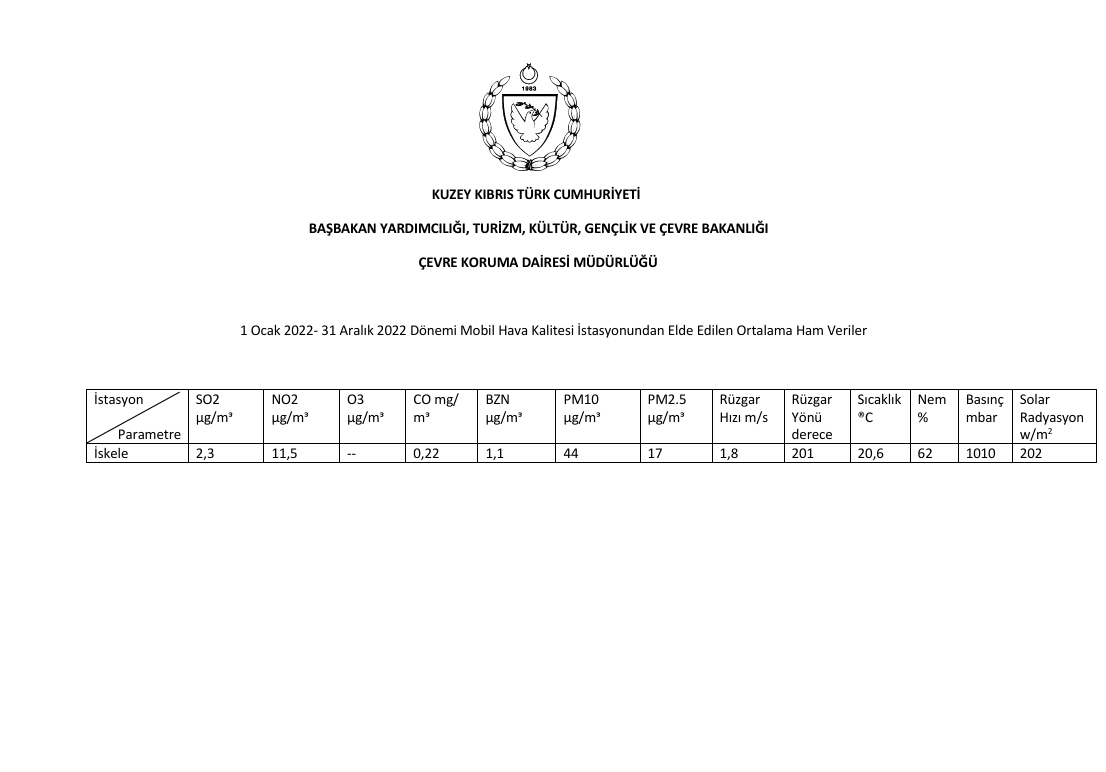
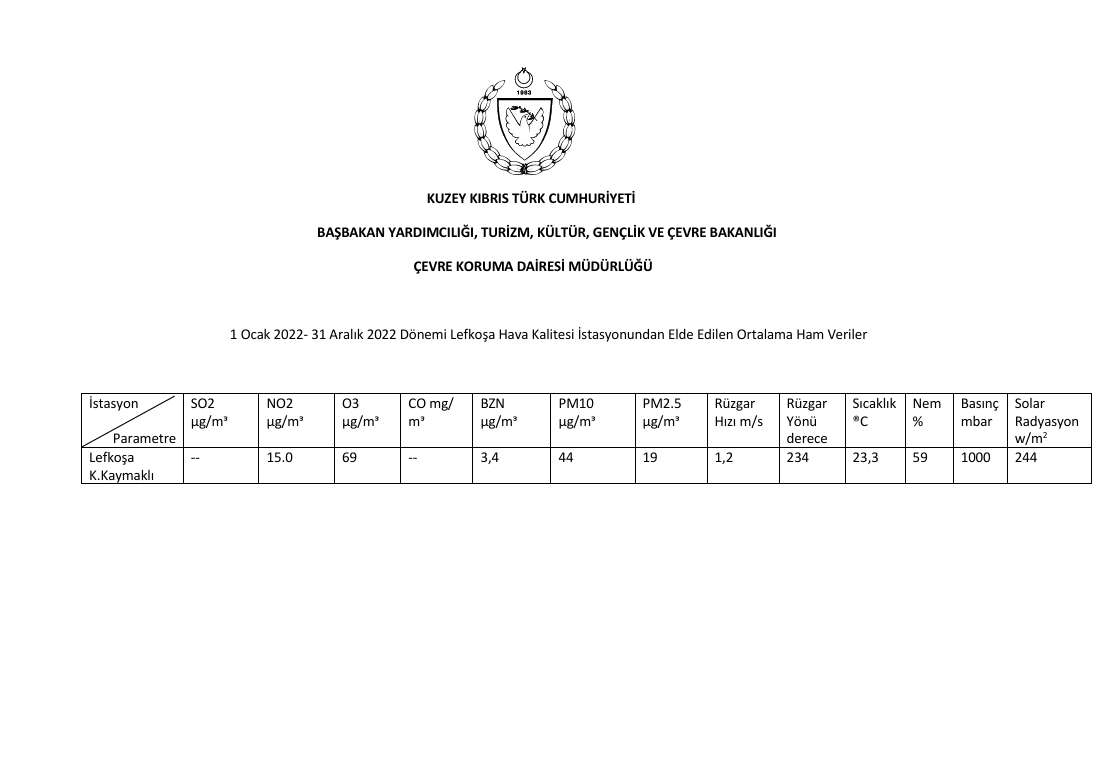
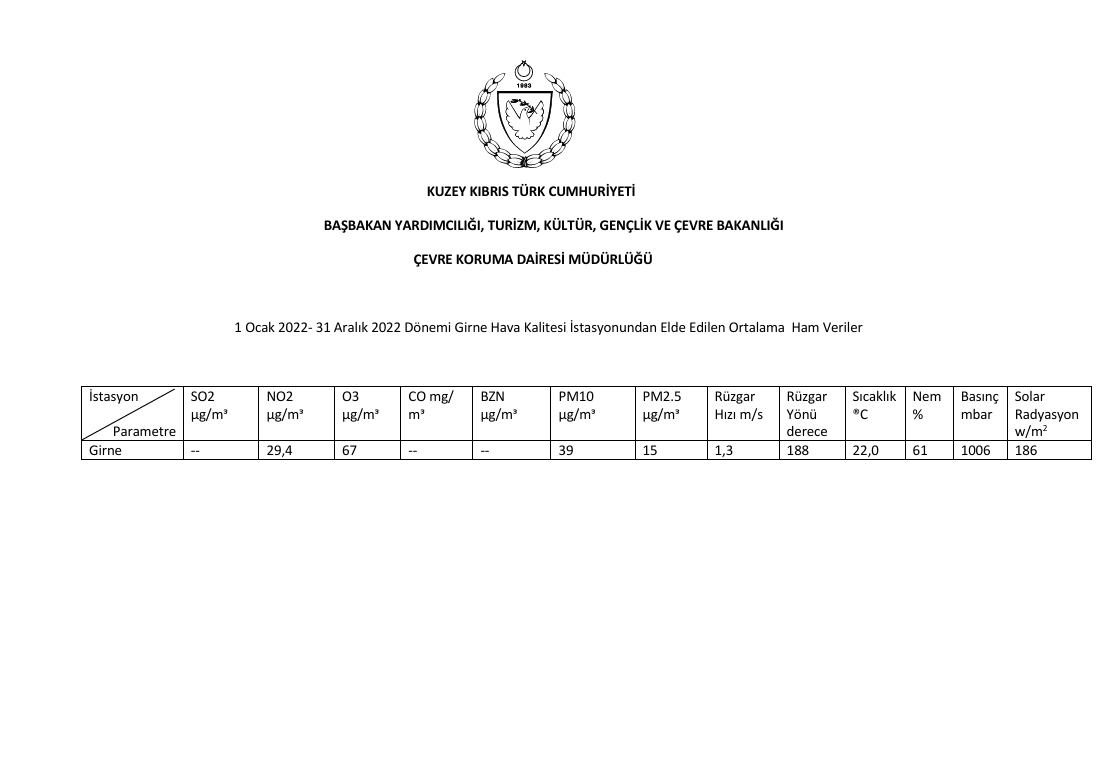
Turkish Republic of Northern Cyprus 2022 Data
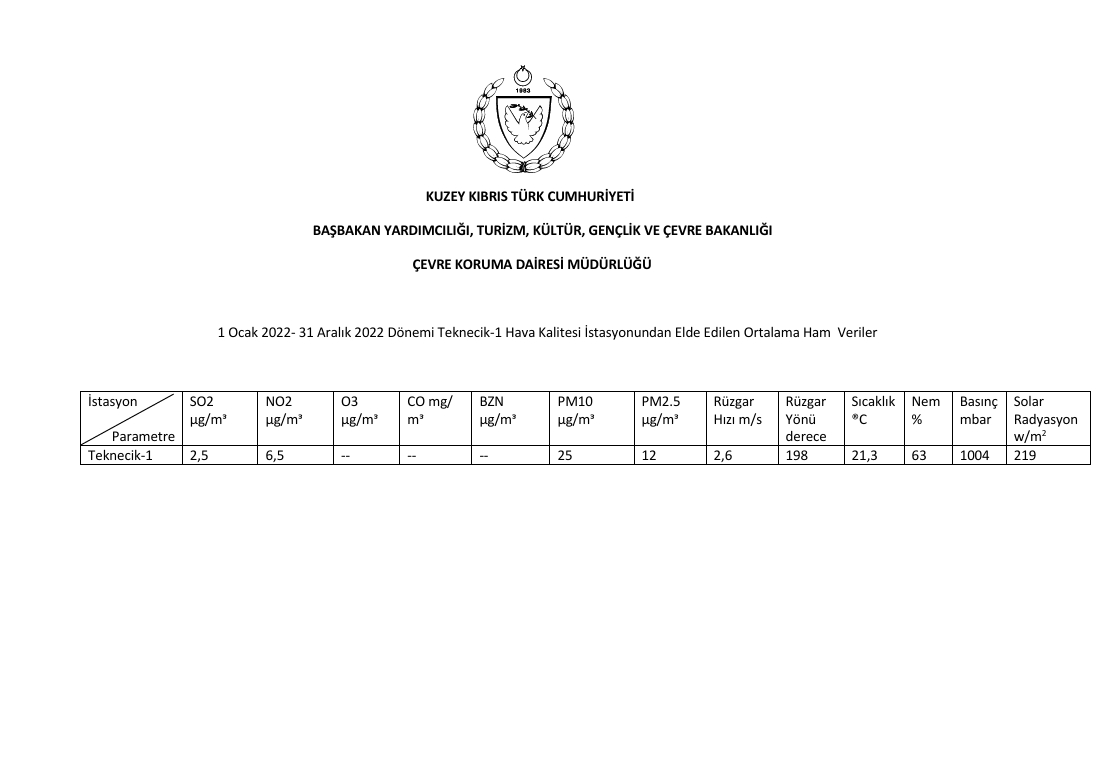
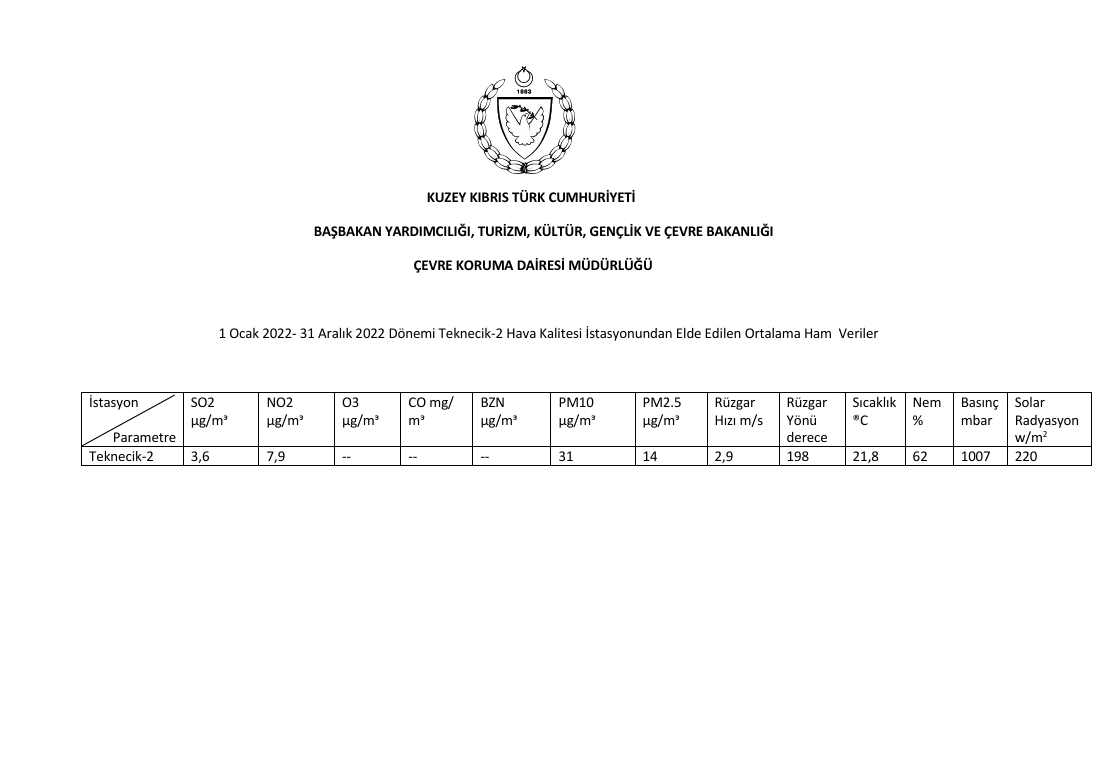
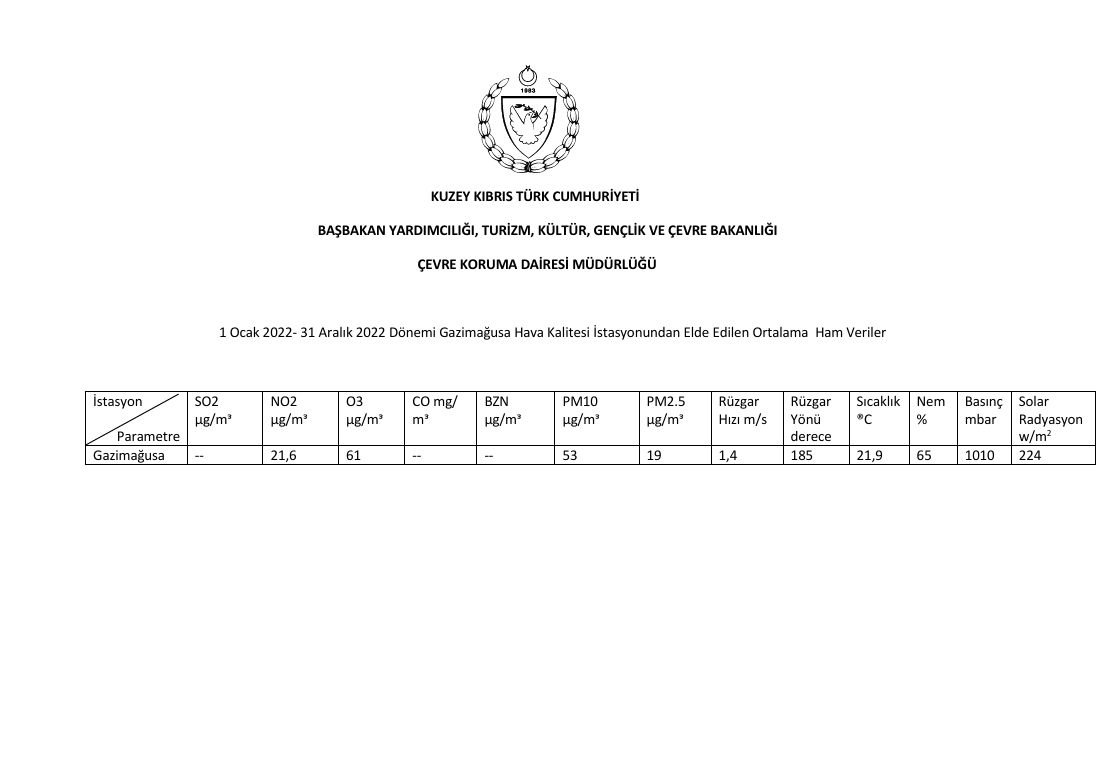
Turkish Republic of Northern Cyprus 2021 Data