



.png?revision=1764341863)


Apple's new MacBook Air comes with the M4 chip.
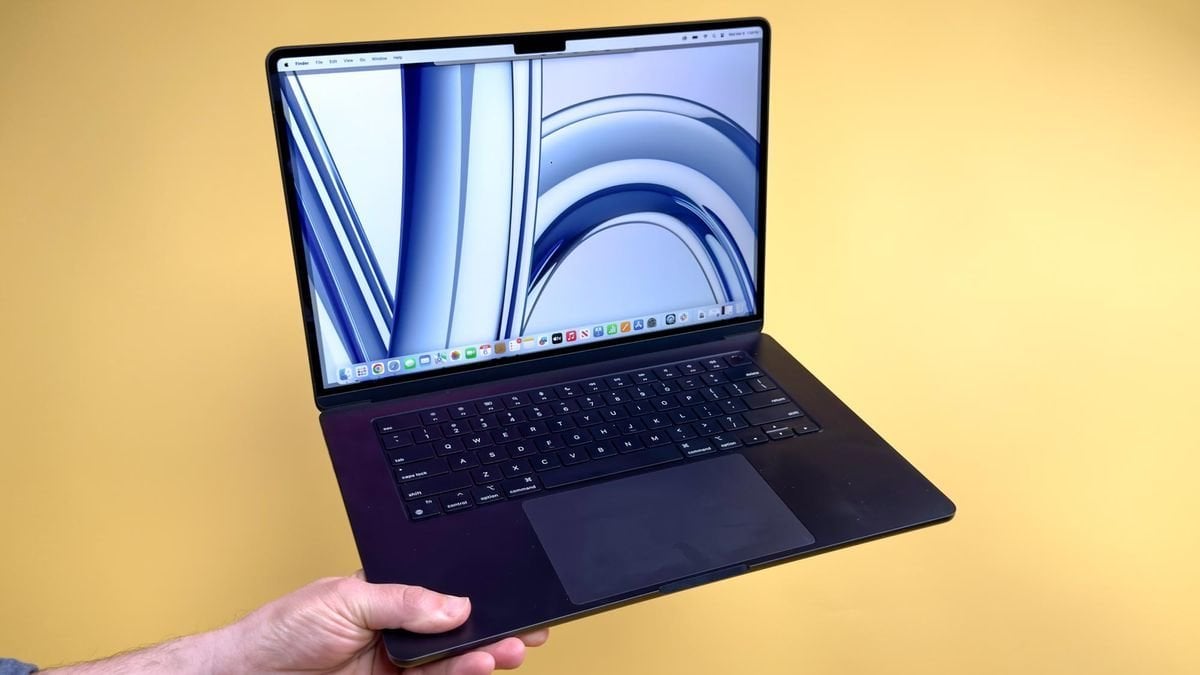
Apple's most popular laptop, the MacBook Air , is getting an update soon with the M4 chip. Expected to launch in early 2025, this new model will be a performance-focused refresh. Instead of major design changes, it will stand out with its AI capabilities, improved battery life, and enhanced core hardware features. Let's take a closer look at what the M4 MacBook Air has to offer, considering technical details, performance comparisons, comparisons with competing devices, and user expectations.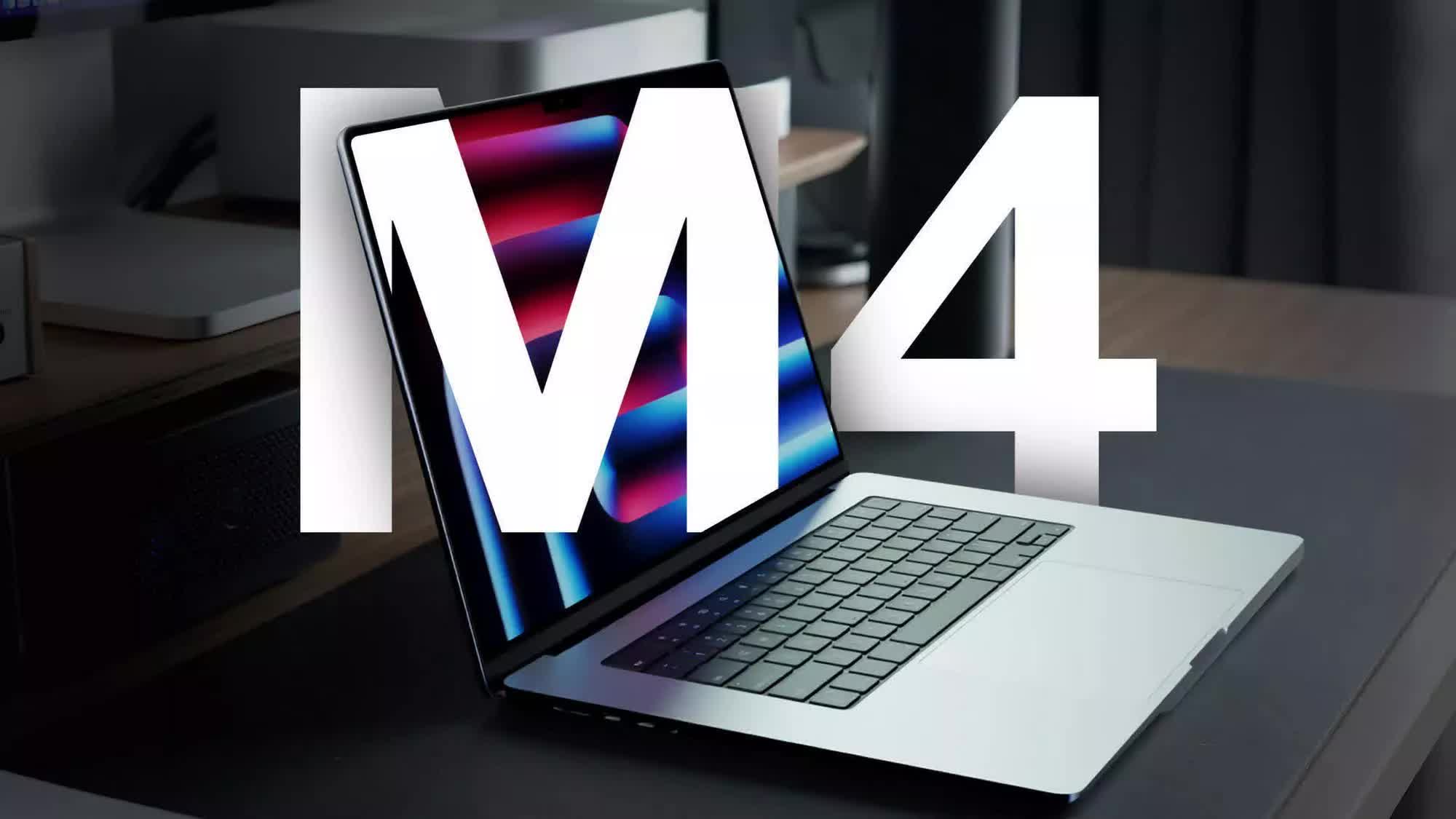
M4 Chip and Specifications
The Apple M4, the newest chipset in Apple's exclusive Apple Silicon series, is manufactured using second-generation 3-nanometer technology. This allows the M4 to have both a higher transistor count and improved power efficiency compared to previous generations. Key technical specifications of the M4 chip include:
- CPU and GPU: Features a 10-core processor (4 high-performance + 6 efficiency cores) and a 10-core GPU with Apple's most advanced graphics architecture. This represents an increase in cores compared to the MacBook Air M3's 8-core CPU and maximum 10-core GPU configuration.
- Memory and Bandwidth: Combined memory (RAM) capacity starts at 16 GB and can go up to 32 GB depending on the configuration. This is 33% higher than the 24 GB ceiling of the previous generation. Memory bandwidth has also been increased from 100 GB/s to 120 GB/s .
- Transistor Count: The M4 chip has 28 billion transistors. This number was around 25 billion in the M3, meaning the chip architecture has become even denser.
- Neural Engine: Apple's dedicated AI processing unit, the Neural Engine, still has 16 cores, but operates faster and more efficiently than the previous generation. The M4's neural engine is three times more powerful than the one in the M1.
- Other Features: The M4 chip comes with advanced machine learning accelerators, increased caches, and an improved security unit. This combined design delivers higher single-core performance . Apple emphasizes that the M4 has "the world's fastest CPU core," surpassing its competitors in the PC world.
In summary, the M4 chip brings a significant hardware upgrade to the MacBook Air. With more cores, faster memory, and improved AI accelerators, the new Air will offer a smooth experience in everyday use and be able to handle much more demanding tasks than previous generations. 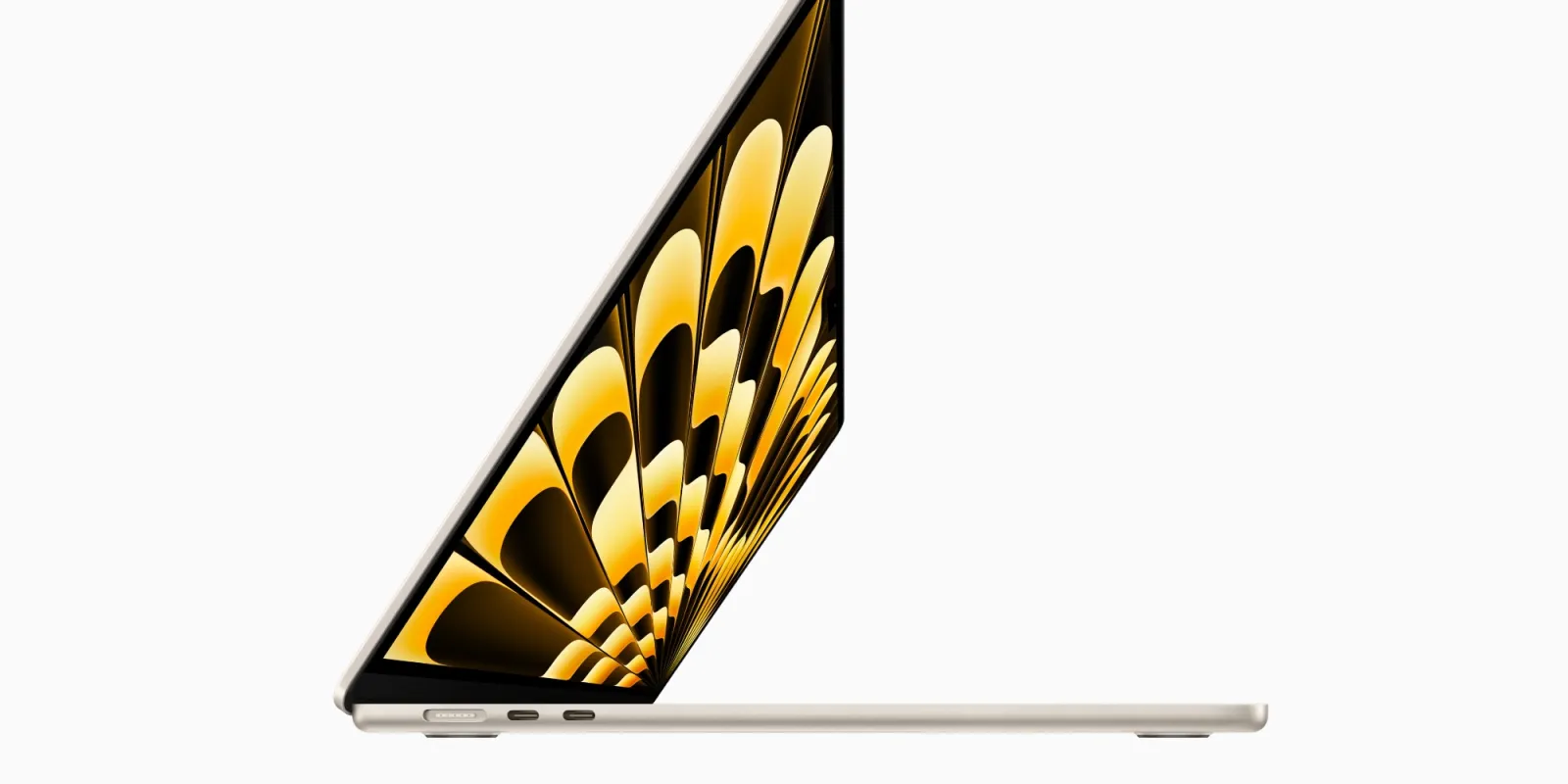
Performance Comparisons
The M4 MacBook Air will offer significantly higher performance compared to previous generation M3 chip models. Initial benchmarks and Apple's data suggest a potential 20-25% increase in multi-core processing power. The MacBook Air 15 M3 scored around 12,000. The difference is approximately 25%, indicating a considerable leap in processing power for the M4 Air.
According to Apple's own data, the improvement is remarkable. The 14-inch MacBook Pro with the M4 chip performs up to 1.8 times faster than the 13-inch MacBook Pro with the M1 chip. In more demanding tasks (such as 3D rendering with Blender), this difference can reach up to 3.4 times. This is a significant improvement over the M1 from two generations ago. While the difference between the M3 and M4 is more evolutionary, the advantage of the new chip will be felt, especially in intensive tasks.
There are also improvements in graphics performance . The M4's 10-core GPU is quite powerful despite being an integrated graphics unit. Apple stated that the MacBook Pro with the M4 Pro chip is 4-5 times faster in some professional graphics tasks compared to the older MacBook Pro with Intel Core i9. Since the M4 (base) GPU also carries similar architectural innovations, higher frame rates and shorter rendering times are expected in graphics compared to the M3. Performance improvements will be particularly noticeable in applications using the Metal API and in tasks such as video editing and photo processing.
In numerical terms, the MacBook Air M4's performance approaches that of the MacBook Pro M3, which is expected to be released in 2024, in many ways. In fact, for short-term workloads that don't require extensive cooling, the Air M4 might even deliver results close to Pro-class devices. However, because the MacBook Air design is fanless , it may not stay as cool as a MacBook Pro during extended periods of full load. Therefore, Pro models will still have an advantage in terms of peak sustained performance. Nevertheless, as we've seen in previous generations, the Air's performance in real-world use cases comes very close to the Pro model. The M1 and M2 Airs similarly lagged just behind the Pros.
In summary, the M4 MacBook Air takes a huge leap forward in performance . Everyday tasks (office applications, web, media consumption) were already seamless with the M3. With the M4, these tasks will become even smoother in terms of instant responsiveness. More importantly, near-professional workloads, such as compiling with Xcode, 4K video editing, large photo edits, or running virtual machines, will be completed faster on the Air than on previous generations thanks to the M4. This expands the MacBook Air's usability, making it a device that appeals not only to students or basic users but also to professionals who want a lightweight device.
Artificial Intelligence Support (Apple Intelligence)
Along with the M4 chip family, which Apple introduced at the end of 2024, they also announced Apple Intelligence, a new personal artificial intelligence system integrated into macOS. This system focuses on running advanced AI models natively to streamline users' daily workflows. Thanks to its improved hardware, the MacBook Air M4 will be able to fully benefit from these AI-powered features.
The M4 chip is specifically optimized for AI processing. Its 16-core Neural Engine performs machine learning and AI tasks much more efficiently than a CPU/GPU combination. Apple states that the M4's Neural Engine is three times more powerful than the M1's. Furthermore, thanks to machine learning accelerators within the CPU and advanced matrix computing capabilities in the GPU, the M4 chip offers an end-to-end AI-optimized platform. This hardware power ensures that the new features offered under Apple Intelligence run smoothly on the MacBook Air. What is Apple Intelligence? In Apple's words, it's a personal intelligence system that transforms the way users work, communicate, and express themselves on a Mac. macOS (Sequoia version and later) can do the following with Apple Intelligence:
- Text Assistant: Thanks to advanced system-wide writing tools, users can easily rewrite, correct, or summarize any text. For example, you can select text you've written in Mail or Pages and ask it to rewrite it in a more professional style.
- Visual AI: With a feature called Image Playground , it will be possible to create fun visuals. Additionally, thanks to the Genmoji feature, personalized emojis can be generated in seconds. These processes are also carried out by running artificial intelligence models on the device.
- Siri and Q&A: Apple Intelligence also brings an enhanced query-answering capability to Macs. Users will be able to ask and receive answers to a variety of questions about their Macs and other Apple products. This means the system will use its own "intelligence" to provide quick answers instead of consulting the internet.
All these AI processes are primarily performed on-device to protect user privacy. This means that your data isn't sent to the cloud; the MacBook Air's M4 chip is powerful enough to handle most of these tasks on-device. For more complex requests, Apple's Private Cloud Compute method utilizes anonymized data and leverages larger models in the cloud. However, even this is offered with a privacy-focused architecture designed to protect user information.
The MacBook Air M4 has all the necessary infrastructure to support Apple Intelligence features. In fact, considering the memory needs of these AI features, Apple has even increased the starting RAM of the existing MacBook Air M2 and M3 models from 8GB to 16GB. Similarly, the M4 Air will come with at least 16GB of RAM, allowing memory-intensive AI processes like Large Language Models (LLM) to run smoothly. This means users won't experience slowdowns when summarizing text or generating images; everything will happen fluidly in real-time.
In short, AI support will be one of the most notable innovations of the M4 MacBook Air. Apple is beginning to integrate AI into the daily tasks of Mac users, and the M4 chip is the catalyst for this. Thanks to this harmony on both the hardware and software sides, AI-powered features on the MacBook Air will operate with high performance and while protecting user privacy.
Battery Life Improvements
Since the switch to Apple Silicon architecture (starting with the M1 chip models), the MacBook Air has been one of the best-in-class laptops in terms of battery life. Further improvements in battery life are expected with the M4 chip. One of the key aspects Apple focused on with the M4 design is power efficiency; this means the new Air will last longer than its predecessor in similar usage scenarios.
Since Apple hasn't made any chassis/battery design changes to the M4 MacBook Air, they anticipate that all the efficiency gains will directly translate into improved battery performance. The M4 chip offers around 20% higher performance, and because it does more work per consumption, it can complete the same tasks using less power. As a result, despite having the same battery as the previous generation, the new model will offer longer battery life.
Apple's official statements indicate that the 16-inch MacBook Pro with the M4 chip lasts up to 24 hours on a single charge, the highest value to date. The 24-hour figure is likely for video playback testing, but even this points to how efficient the M4 family is. The MacBook Air, being a smaller device, doesn't have a physically large battery, but it likely boasts the longest battery life ever seen in an Apple laptop. 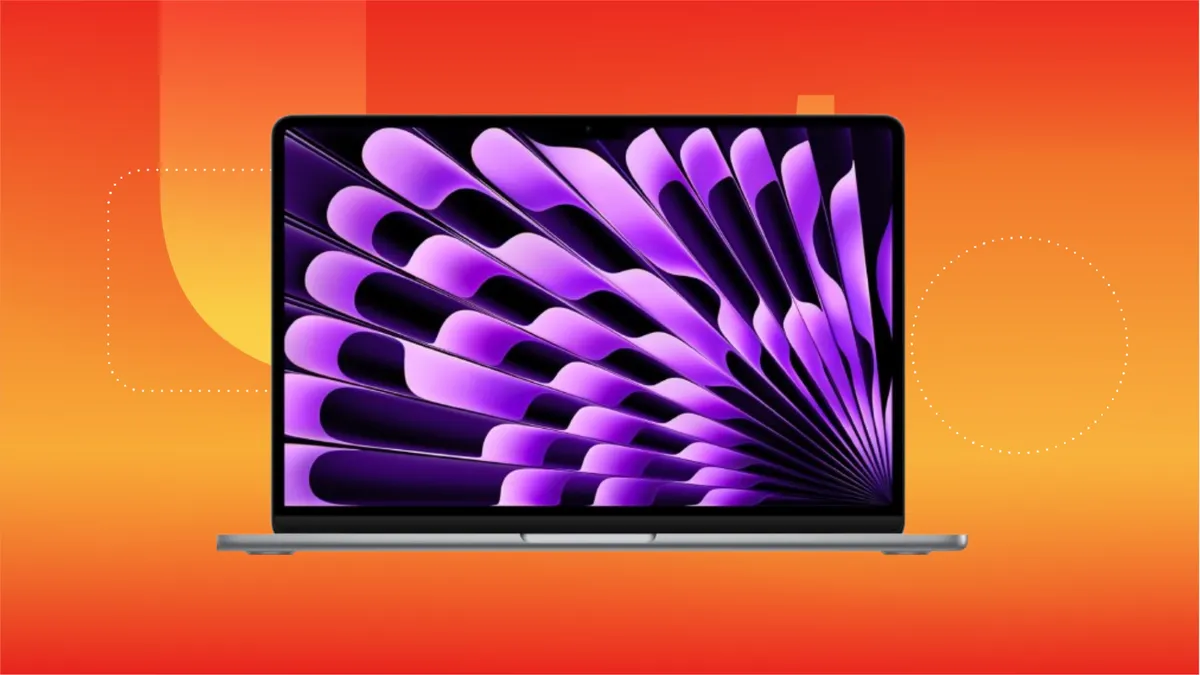
Screen Technologies
The new MacBook Air's display appears to remain largely the same as the current generation in terms of size and core technology. The new design, introduced in 2022 with the M2 chip, featured a 13.6-inch diagonal-to-diameter Liquid Retina display with a notch for the camera at the top. The M4 MacBook Air is expected to retain the 13.6-inch (and 15.3-inch for the larger model) Liquid Retina display. The notch on the screen bezel will be preserved, both in terms of design and screen-to-body ratio; no radical changes are anticipated.
Liquid Retina is Apple's marketing name for its high-resolution IPS panels. The MacBook Air's display offers extremely sharp images with a resolution of approximately 2560 x 1664 pixels (~224 ppi for the 13.6″ model). It supports the P3 wide color gamut, meaning vibrant and accurate colors. True Tone technology adjusts the screen's white balance according to the ambient light temperature, resulting in a less eye-straining display. Brightness will likely remain around 500 nits; this is sufficient for indoor and normal outdoor use. (MacBook Pro mini-LED “XDR” displays can reach 1000+ nits with HDR content, but this is not expected for the Air model.)
Whether Apple will bring its expensive mini-LED or OLED display technologies to the MacBook Air class has long been a subject of speculation. While some rumors suggest Apple might consider an OLED panel transition to the MacBook Air around 2025-2026, it's almost certain this won't happen with the M4 generation. Therefore, the new model will also come with an IPS display with a 60Hz refresh rate. ProMotion (120Hz variable refresh rate) appears to remain exclusive to Pro models. Nevertheless, despite its 60Hz refresh rate, the MacBook Air's display offers a very smooth user experience thanks to macOS's optimized interface; most users won't need a higher refresh rate for daily tasks.
The only potentially new feature for the M4 MacBook Air screen might be an option for a nano-texture coating. Apple recently brought nano-texture glass, previously offered as an option on devices like the iMac and Pro Display XDR, to the MacBook Pros as well. This special coating significantly reduces reflections on the screen surface, making it easier to work in bright environments.
Comparing it to competing devices' screens : Many Windows ultrabook models now offer OLED display options (for example, models like the Dell XPS 13 series or HP Spectre x360 have an OLED option). OLED screens provide excellent contrast, especially when watching movies or in dark environments, and can display blacks as true black. While the MacBook Air still uses LCD technology, it holds a very strong position in its segment in terms of color accuracy and brightness. Furthermore, the preference for IPS over OLED contributes to longer battery life (although OLED generally consumes similar power in mixed usage, it can consume more energy at high brightness or in open environments).
Overall, we can say that the M4 MacBook Air's display focuses on making what's already very good even better . With a large viewing area for its size, high resolution, accurate colors, and a possible anti-reflective option, users will continue to be satisfied in various scenarios, from watching movies to editing photos. The only drawback might be the lack of a touchscreen; Apple isn't keen on touchscreens in Macs for now, as they've positioned products like the iPad for this purpose. While some competitors on the Windows side offer touchscreen or convertible (2-in-1) form factors, the MacBook Air, although in its classic laptop form factor, doesn't really feel the lack of touch thanks to its powerful trackpad and macOS interface.
Design and Design Details
It's almost certain that the M4 MacBook Air won't feature any major design changes. With the 2022 MacBook Air (M2), Apple completely redesigned the device, moving away from the old, thicker, wedge-like form factor and adopting a flatter form factor similar to the MacBook Pros. This new chassis design was so successful that Apple was expected to stick with it for several years. Indeed, the M3 MacBook Air also used the same chassis. It's stated that the chassis and appearance will be preserved exactly the same with the M4. In other words, the flat-edged, thin profile and unibody aluminum body will continue.
Dimensions and weight are also likely to remain unchanged. The 13-inch MacBook Air M3 chassis had a base area of 11.97 x 8.46 inches and a thickness of only 0.44 inches (1.13 cm), weighing around 2.7 pounds (1.24 kg). The 15-inch MacBook Air, on the other hand, measured 13.4 x 9.53 inches, was 0.45 inches thick, and weighed 3.3 pounds (1.5 kg). The same dimensions are expected for the M4 models. These values make the MacBook Air one of the most portable 13-15 inch laptops on the market. The device's lightness and thinness are seen as a major advantage, especially for frequent travelers and students.
- Cooling and Noise: The MacBook Air features a fanless design thanks to Apple Silicon. The M4 chip model will also be fanless, meaning it contains no moving parts (rotating fans). This means the device operates completely silently . While the thin chassis presents a thermal challenge for heat dissipation, Apple's chip efficiency allows Air models to generally stay cool enough to avoid burning your hands during daily use, and the lack of fan noise makes for a very comfortable user experience. The M4's increased efficiency could lead to advantages such as less heat generation or faster cooling, even under heavy load, compared to previous generations.
- Input/Output Ports: Since 2022, the MacBook Air has featured two Thunderbolt/USB4 (Type-C) ports , a MagSafe 3 magnetic charging port, and a 3.5mm headphone jack . This port layout will remain the same on the M4 model. MacBook Pros with the M4 Pro/Max chip have transitioned to the next-generation Thunderbolt 5 connection, but since the base model M4 (14-inch MacBook Pro) still uses Thunderbolt 4, the MacBook Air M4 is not expected to upgrade to Thunderbolt 5. Therefore, data transfer speeds and external device support will remain at the TB4 standard (40 Gbps), which is more than sufficient for most users. There is a significant improvement in external display connectivity, which we will discuss shortly, but there will be no increase in the number of physical ports.
- Keyboard and trackpad: The new model will retain the backlit Magic Keyboard and the large Force Touch trackpad. This duo is already one of the MacBook Air's strengths. Most users are very happy with Apple's keyboard feel and the responsiveness of its massive glass trackpad.
- Camera and display: Here's a key element that will be updated, even if the design remains unchanged: the webcam (FaceTime camera) . The MacBook Air M2/M3 featured a 1080p FaceTime HD camera. Apple upgraded the camera system in the MacBook Pro M4 and iMac M4 models with a 12MP ultrawide (122° field of view) camera and the supporting Center Stage feature. The expectation is that the M4 MacBook Air will also utilize this new camera.
- Color Options: The current generation MacBook Air offered four color options: Midnight – a dark navy blue, almost black; Starlight – a light gold with champagne tones; Space Gray – a dark metallic gray; and Silver – the classic Apple silver. No new color options have been announced for the M4 MacBook Air so far, so the same four colors may continue. While some fans expect vibrant colors or different shades like those on the iMac, Apple generally prefers a more neutral and professional color palette for portable devices. Although the Midnight color was very stylish, it received criticism for its susceptibility to fingerprints. We'll see if Apple makes a slight improvement to this material.
This upgrade is a significant improvement for users , as MacBook cameras have long been a subject of criticism. Laptop cameras are generally not very strong, and Apple lagged behind for years by using 720p cameras. The switch to 1080p provided some improvement, but Mac camera quality was still "just okay" compared to smartphone cameras. Apple seems to have acknowledged this, with statements like " Laptop cameras weren't Apple's strong point " appearing in the press. The 12MP camera with Center Stage could change this perception. Higher resolution will increase image clarity, improve low-light performance, and the ultrawide angle will fit more into the frame. Being able to stay in the frame while moving with Center Stage is a great convenience, especially in video conferences or FaceTime calls. This camera will also work seamlessly with features like Desk View in macOS.
Desk View lets you create a stream of images showing both your face and your desktop simultaneously. (This feature is normally available when using your iPhone as a webcam, but it will also be possible with the ultrawide Mac camera).
- Wireless connectivity: The new MacBook Air will also incorporate the latest wireless technologies. Apple's latest products support Wi-Fi 6E and Bluetooth 5.3 standards; the M4 Air will also feature Wi-Fi 6E (faster, lower-latency Wi-Fi using the 6 GHz band) and Bluetooth 5.3 . This means better wireless performance and future-proof compatibility. Specifically, Wi-Fi 6E support, when used with a suitable router, will provide stable and high-speed wireless internet connectivity even in crowded environments.
- External Display Support: Another significant functional design improvement that came with the MacBook Air M4 is the increased number of external monitors it supports. Until now, Apple only offered support for one external display on entry-level MacBooks due to chip limitations. The M1 and M2 MacBook Airs officially supported only one monitor (although some users bypassed this with DisplayLink adapters to use multiple displays, there was no official support). With the M3 MacBook Air, Apple introduced a new feature: the laptop lid had to be closed (in clamshell mode) to use two monitors , meaning its own internal display had to be disabled. This didn't quite deliver what was intended; users couldn't create a triple setup with the internal display + two external displays.
In summary, the MacBook Air M4's design will look the same as its predecessor , but it comes with significant tweaks and internal improvements. Apple's decision makes sense, as the current design is both very popular and quite new. Therefore, they've adopted a "don't touch the existing structure" strategy. Instead, Apple has focused on details that impact the user's daily experience, such as a better camera, newer wireless connectivity, and more flexible display support. From the outside, it might be difficult to distinguish between the M4 and M3 Air, but the aim is for it to be a product whose difference becomes apparent with use.