



.png?revision=1764341863)


Apple iPhone 16e and iPhone 16: What are the differences?
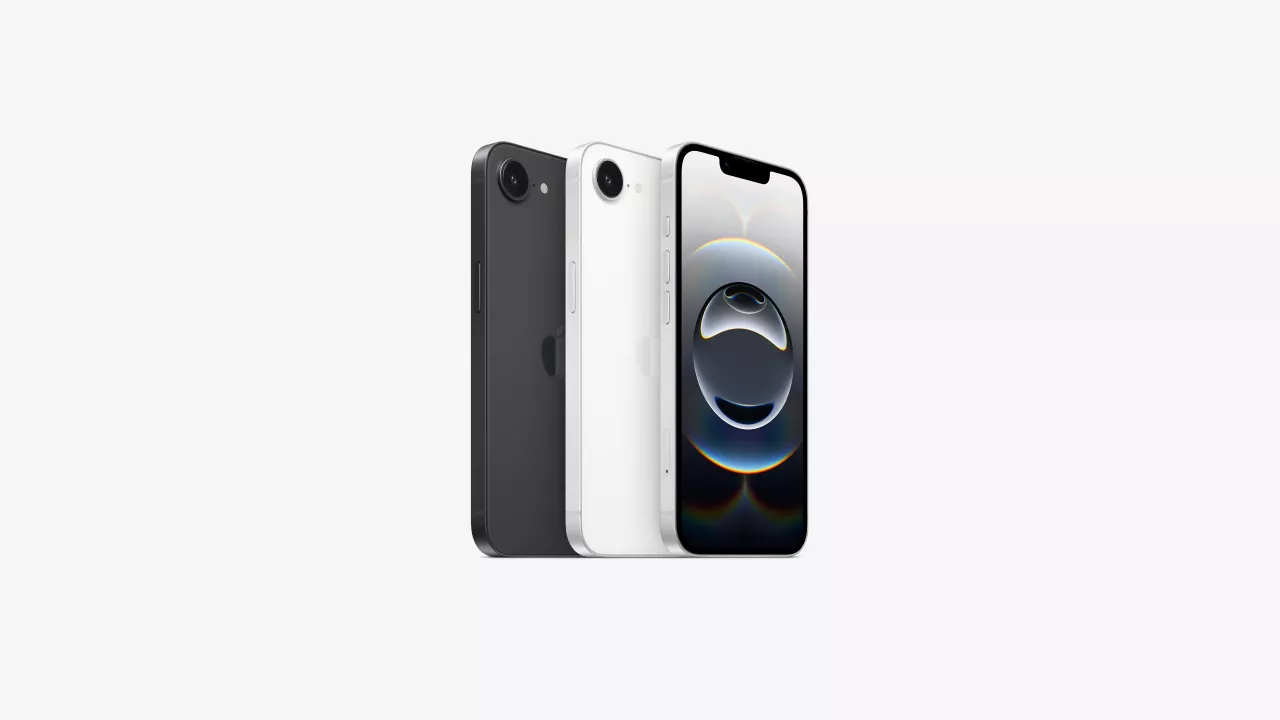
The iPhone 16e is the most affordable phone in the iPhone 16 family. The 128GB storage model starts at $599, making the iPhone 16e $200 cheaper than the standard iPhone 16. The iPhone 15 is still available, while the iPhone SE and iPhone 14 have been removed from Apple's official sales list.
When considering design, features, and price, choosing between the $599 iPhone 16e and the $799 iPhone 16 can be difficult. If you're thinking of pre-ordering the iPhone 16e before its release on Friday, February 28th, we'll examine the differences between the two phones on paper to help you make the right choice.
Full Specifications
| Apple iPhone 16e | Apple iPhone 16 | |
|---|---|---|
| Operating System | iOS 18 | iOS 18 |
| CPU (Processor) | Apple A18 | Apple A18 |
| Dimensions | 5.78 x 2.82 x 0.31 inches | 5.8 x 2.8 x 0.3 inches |
| Screen Size | 6.1 inches (approximate) | 6.1 inches (approximate) |
| Screen Resolution | 2,532 x 1,179 pixels | 2,556 x 1,179 pixels |
| Camera Resolution (Rear; Front Camera) | 48MP; 12MP | 48MP; 12MP |
| Battery Life (Test Results) | To be determined | 18 hours |
iPhone 16E and iPhone 16 Price Comparison
The iPhone 16e starts at $599 with 128GB of storage. The 256GB model is priced at $699, and the 512GB version at $899. In contrast, the iPhone 16 offers the same three storage options but is priced at $799, $899, and $1,099 respectively. Looking solely at price, the iPhone 16e has the advantage. While iPhone 16e prices in Cyprus are not yet finalized, prices in Turkey have been announced. The iPhone 16e will be available in Turkey starting at 47,999 TL. Starting prices in Turkey, depending on storage capacity, are as follows:
| Model | Price (₺) |
|---|---|
| 128GB | 47,999₺ |
| 256GB | 52,999 TL |
| 512GB | 62,999₺ |
iPhone 16E and iPhone 16 Design Comparison
Both the iPhone 16e and iPhone 16 offer similar designs with flat metal edges, flat glass panels, and rounded corners. The iPhone 16e measures 146.8 x 71.6 x 7.85 mm and weighs 167 grams, making it slightly shorter and lighter than the iPhone 16 (147.6 x 71.6 x 7.85 mm, 170 grams). While the iPhone 16e brings back the notch introduced with the iPhone X, the iPhone 16 features a new generation Dynamic Island at the top of the screen. Both models use Face ID for biometric authentication. 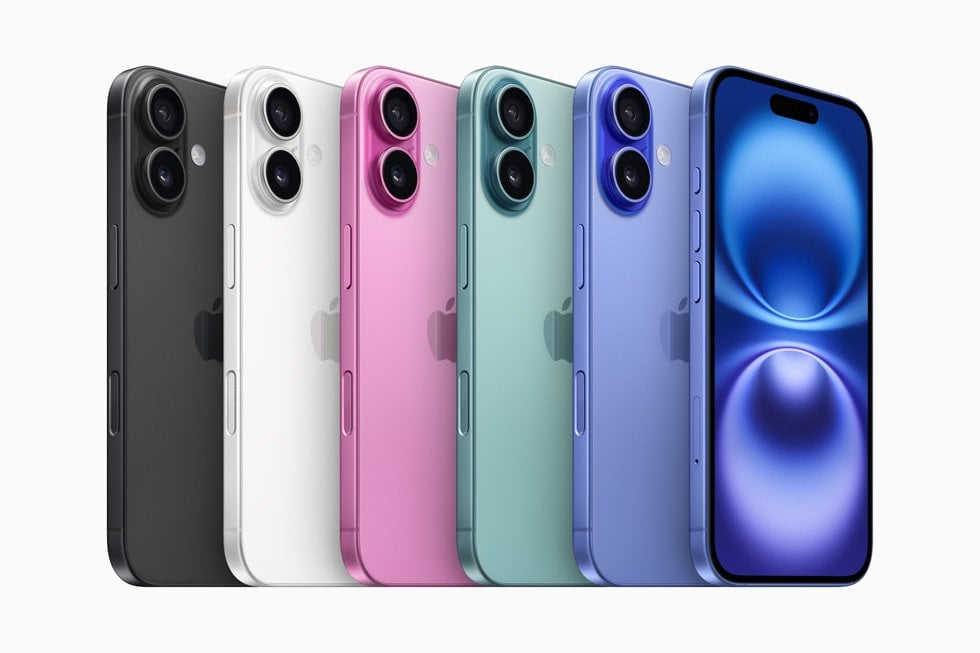
In terms of color options, the iPhone 16e is only available in Black and White. The iPhone 16, on the other hand, comes in Black, Pink, Turquoise, Ultramarine (lavender), and White. Those who want a more colorful option have a clear choice. Regarding durability, both devices have an IP68 certification for dust and water resistance. Both feature an aluminum frame, but the iPhone 16e has Ceramic Shield on the front, although the type of rear glass isn't specified. The iPhone 16 has a newer version of Ceramic Shield on the front, which may offer slightly more protection.
With its Dynamic Island technology, more durable glass, and wider color options, the iPhone 16 wins this round.
Winner: iPhone 16iPhone 16E and iPhone 16 Screen Comparison
While both devices feature a 6.1-inch Super Retina XDR OLED display, their resolutions differ slightly. The iPhone 16e boasts a resolution of 2,532 x 1,170 pixels, while the iPhone 16 has a resolution of 2,556 x 1,179 pixels. Despite these minor differences in pixel count, Apple states that both models offer 460 ppi (pixel density), meaning the viewing experience is fundamentally the same.
The iPhone 16 has a typical brightness of 1,000 nits, reaching a maximum of 2,000 nits outdoors. The iPhone 16e, on the other hand, offers slightly lower brightness, with a typical brightness of 800 nits and a maximum brightness of 1,200 nits. While the screens are largely similar in other respects, the iPhone 16's brighter panel sets it apart.
Winner: iPhone 16
iPhone 16E and iPhone 16 Performance Comparison
The iPhone 16 and 16e both use a version of Apple's A18 processor, but there are minor differences. The iPhone 16's A18 processor includes a six-core CPU with two performance and four efficiency cores, a 16-core Neural Engine, and a five-core GPU. The 16e, on the other hand, has a four-core GPU, meaning it lacks one core compared to the iPhone 16.
Initial reports suggest the 16e has the same 8GB of RAM as the 16, but Apple hasn't confirmed this yet. Both devices run iOS 18 with Apple Intelligence, capable of handling AI tasks both on-device and in the cloud. Apple says all Intelligence features, including Genmoji, Image Playground, Visual Intelligence, and Writing Tools, are available on the 16e. 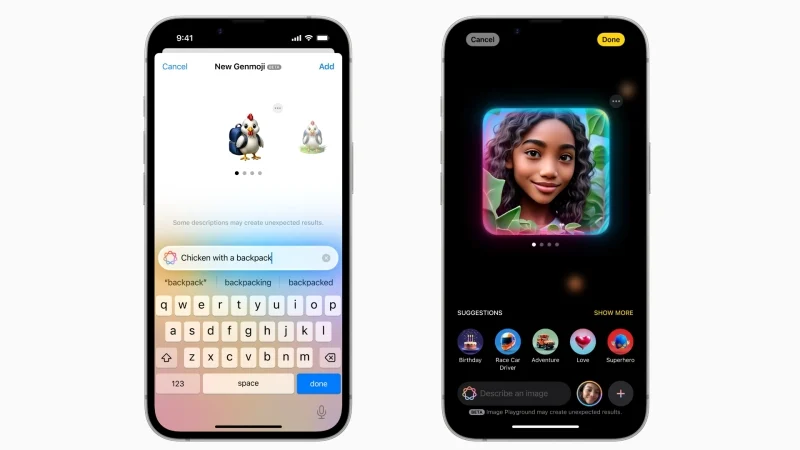
We haven't tested the iPhone 16e yet, but given the small difference in the number of cores on its chip, we expect it to perform along the same lines as the more expensive iPhone 16. The iPhone 16e is the first device to come with the C1 modem, Apple's first of its kind. The company states that this is the most energy-efficient modem ever used in an iPhone, operating 25% more efficiently than the modem in the iPhone 15. The C1 supports all low and mid-band 5G frequencies used by carriers in the US, but it does not support the ultra-fast mmWave signals offered by the iPhone 16.
In terms of other wireless connections, the iPhone 16 comes with Wi-Fi 7 and an ultra-wideband (UWB) chip for precise location tracking, while the 16e model supports Wi-Fi 6 and lacks a UWB chip. Battery life is the biggest question mark here. Apple states that the iPhone 16e features a completely new internal design, allowing for a larger battery. The C1 modem, designed with energy efficiency in mind, helps reduce battery drain. According to Apple, the combination of these factors allows the iPhone 16e to provide up to 26 hours of video playback time. This is the longest usage time ever seen for an iPhone with a 6.1-inch screen. For comparison, the iPhone 16 lasted 18 hours in tests. However, since this category is entirely based on performance tests, the winner is currently unclear.
Winner: Draw
iPhone 16E and iPhone 16 Charging Comparison
The iPhone 16e supports standard 7.5W Qi wireless charging. Surprisingly, it's not compatible with Apple's MagSafe charger or MagSafe accessories. If you want MagSafe, you'll need to opt for the standard iPhone 16. The iPhone 16 charges wirelessly twice as fast at 15W. 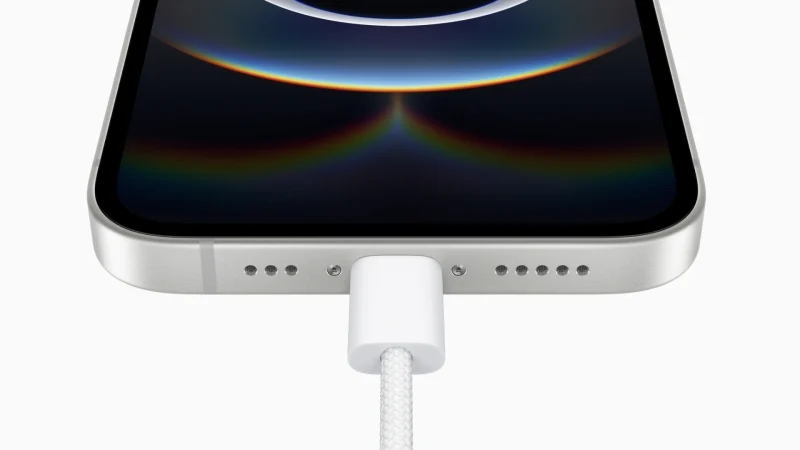
Winner: iPhone 16
iPhone 16E and iPhone 16 Camera Comparison
The front TrueDepth cameras on the iPhone 16e and iPhone 16 are almost identical. Both feature 12MP sensors and offer access to the A18 image signal processor. The iPhone 16 offers a cinematic mode supporting up to 4K30 video recording and provides focus and depth control in portrait mode, while the iPhone 16e lacks a cinematic mode and only offers depth control in portrait mode. In all other respects, both models have the same technical specifications.
The iPhone 16e features a 48MP Fusion Camera on the back, while the iPhone 16 has a 48MP Fusion Camera along with a 12MP ultrawide-angle camera. The iPhone 16 also has the ability to take macro and spatial photos for Apple Vision Pro, a feature not available on the iPhone 16e.
The iPhone 16 boasts more advanced video recording tools. It features a cinematic mode with shallow depth of field, action mode, spatial video recording, and macro video recording options. None of these options are available on the iPhone 16e. Both models can shoot 4K video at 60 frames per second (fps) and record 1080p slo-mo video at 120fps or 240fps. All iPhone 16 models except the iPhone 16e feature touch-sensitive camera control. The iPhone 16e will likely produce beautiful images, but the iPhone 16 is simply more versatile.
Winner: iPhone 16
Decision: Which iPhone is Right for You?
Until we have a chance to test the iPhone 16e, here are our purchase recommendations based on its specifications:
- If you're looking for the lowest-cost entry point into the iPhone ecosystem and Apple Intelligence, the iPhone 16e is the right choice.
- If "basic features" are enough for you and you're not bothered by the notch or limited color options, you'll be more than satisfied with what the iPhone 16e has to offer.
- If you want more advanced photography and videography features, the iPhone 16 is a better option.
- If you prefer features like MagSafe compatibility, faster mmWave 5G, faster Wi-Fi 7, and Apple's Dynamic Island, then you should get the iPhone 16.